Nestled on the southern part of the Korean Peninsula, South Korea offers a diverse landscape that ranges from bustling cities to serene natural wonders. The country’s rich history and cultural heritage are evident in its many UNESCO-listed sites, such as those in Gyeongju. Visitors can explore the vibrant streets of Seoul, where ancient palaces like Gyeongbokgung stand alongside modern skyscrapers. Further south, Busan invites travelers with its bustling markets and colorful coastal villages. For a more tranquil experience, Jeju Island presents volcanic landscapes and pristine beaches. Nature enthusiasts can hike the scenic trails of Seoraksan National Park, while those interested in contemporary history can visit the Demilitarized Zone (DMZ).
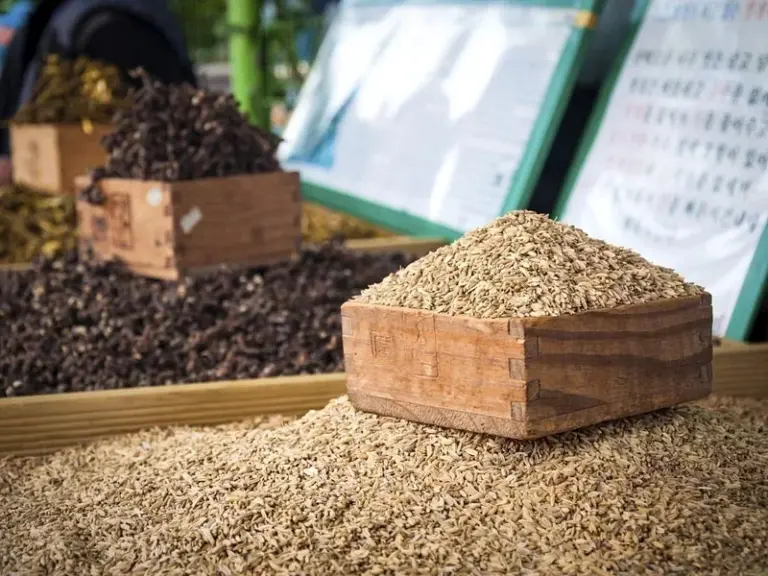
Gukje Market, located in Busan, South Korea, emerged from the ashes of war in the 1950s when refugees set up small shops to make a living. Over the decades, this […]
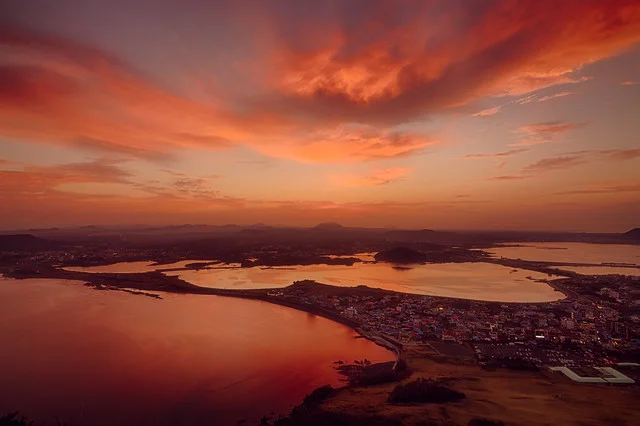
Seongsan Ilchulbong, also known as Sunrise Peak, is a striking tuff cone that emerges from the Korea Strait and is one of three sites making up the UNESCO World Heritage […]
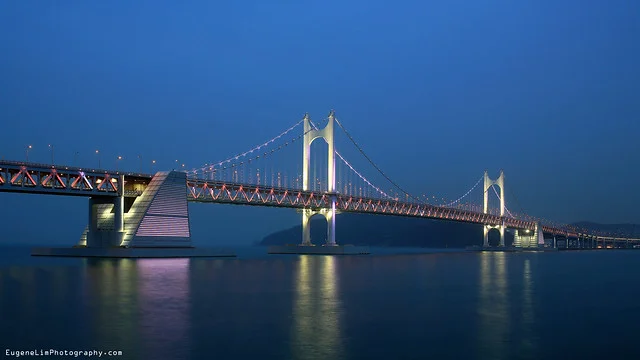
Opened in 2003, Gwangan Bridge, also known as Gwangandaegyo, has become an iconic symbol of Busan, often featured on the city’s tourism posters. Spanning the sea, this impressive structure is […]
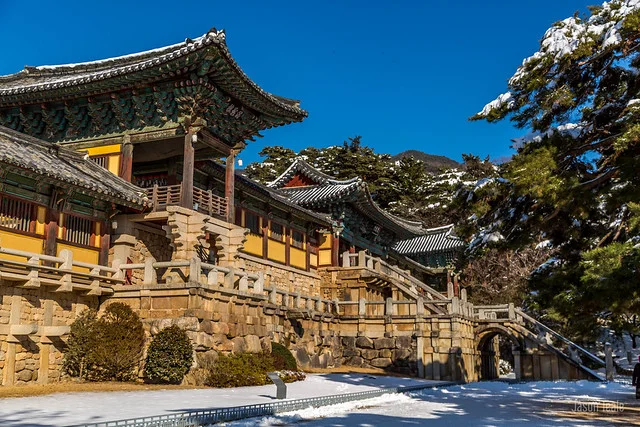
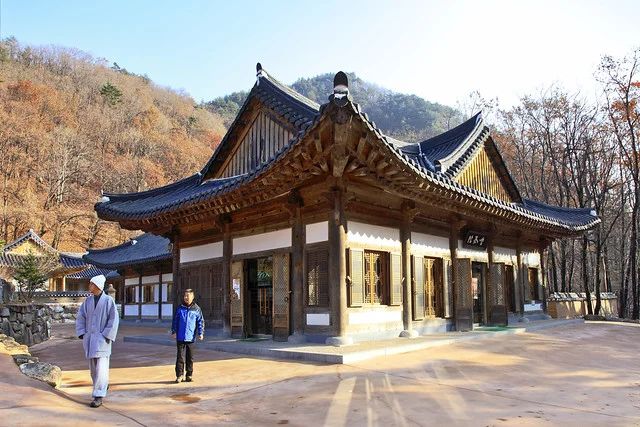
Bulguksa Temple, an 8th-century Buddhist sanctuary located just outside Gyeongju, is a sprawling site known for its ornate gardens and vibrant pagodas. As a functioning temple, it offers visitors the […]
Built during the Goryeo Dynasty in 1376, Haedong Yonggungsa Temple is a historic site perched on the coastal cliffs of Busan, South Korea. Unlike most Korean temples nestled in the […]
Nestled among the lush, green rows of tea, the O’Sulloc Tea Museum in Seogwipo, South Korea, offers a deep dive into Jeju Island’s rich history and current practices of tea […]
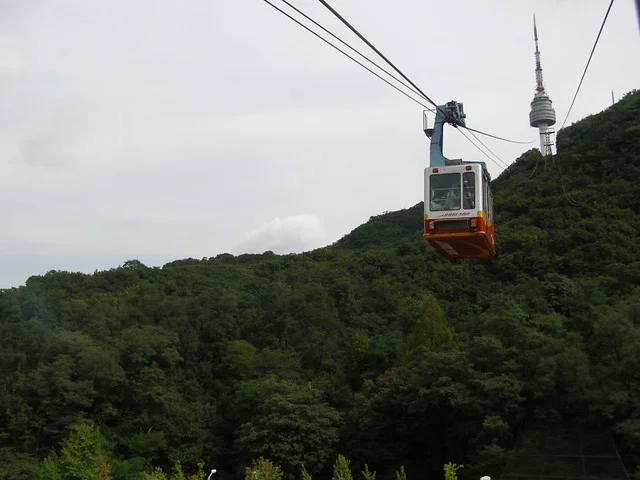
The Namsan Cable Car, located in Seoul, South Korea, offers a scenic route to Namsan Tower (N Seoul Tower), one of the city’s most iconic landmarks. Running from morning until […]
Mt. Seorak, also known as Snowy Peak Mountain, rises to a height of 5,604 feet (1,708 meters) within the UNESCO-designated Seoraksan National Park. Since being designated a national monument in […]
Seoraksan National Park, a UNESCO Biosphere Protection site, stands as one of the most visually striking parks on the Korean Peninsula. Nestled in South Korea, the park is characterized by […]
Dongbaek Island, or Dongbaekseom, is a picturesque area in Busan that, despite its name, is no longer an island. Once separated from the mainland, it is now connected by a […]
Nestled near the enigmatic royal tombs, a renowned observatory, and a palace complex adorned with lotus, the Gyeongju National Museum serves as an ideal starting point for exploring Gyeongju. This […]
Originally the easternmost of Seoul’s four main gates, Dongdaemun Gate, also known as Heunginjimun, now stands as a historic landmark and a gateway to one of the city’s most vibrant […]
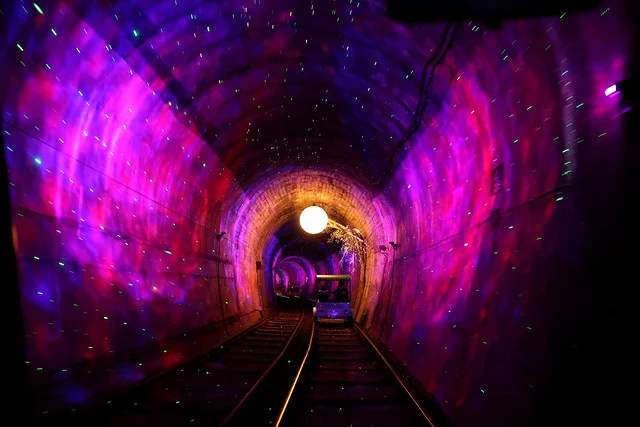
The Gangchon Rail Park, located in South Korea, offers a unique way to explore the scenic beauty near Nami Island, just a short trip from Seoul. Visitors can cycle along […]
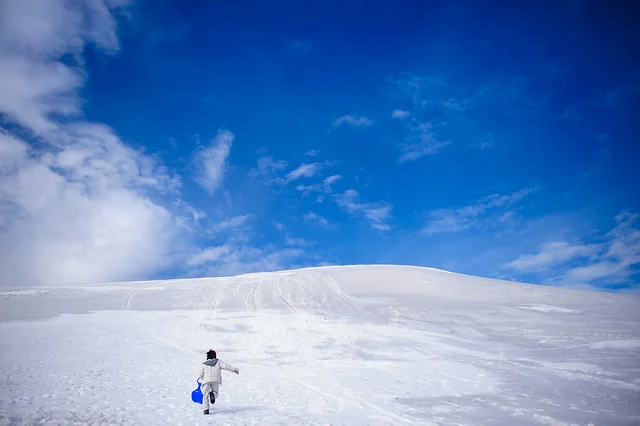
Hallasan National Park, a UNESCO-listed biosphere reserve, is nestled in Seogwipo on Jeju Island. At the heart of the park stands Hallasan, a dormant volcano and South Korea’s highest peak. […]
In Gyeongju, South Korea, the Cheomseongdae Observatory stands as the oldest surviving astronomical observatory in East Asia. Constructed during the Silla Dynasty, this stone tower is a proud historical landmark […]
Nestled in the South Korean countryside, Petite France is a charming cultural village that seems to have been plucked from the Piedmont Alps of France. This picturesque destination features over […]
The 8th-century Seokguram Grotto, nestled in South Korea’s Gyeongju National Park, is a remarkable Buddhist temple known for its ornately carved statue of Buddha. This UNESCO World Heritage Site showcases […]
Jeongbang Waterfall, situated on the southern coast of Jeju Island in Seogwipo, is uniquely positioned as South Korea’s only waterfall that flows directly into the sea. This natural wonder features […]
Nestled in Gyeongju, Yangdong Folk Village stands as Korea’s largest traditional settlement and a UNESCO World Heritage Site. This village preserves the rich legacy of Joseon history, culture, and architecture, […]
Sangumburi Crater, located on Jeju Island in South Korea, is a volcanic formation with a circumference of 6,971 feet (2,070 meters). This perfectly circular space, often described as an upside-down […]
Established in 1951, the 35-acre (14-hectare) UN Memorial Cemetery in Busan stands as a serene and poignant tribute to the 2,300 United Nations soldiers from 16 countries who lost their […]
Nestled in 250 acres of natural landscape, the Korean Folk Village near Seoul offers a glimpse into the Joseon Dynasty with 260 replica houses. Visitors can wander through the village, […]
The Han River, or Hangang, stretches over 310 miles (500 kilometers) through the Korean Peninsula, making it one of South Korea’s most significant waterways. As it winds through the heart […]
Nestled in Seoul’s stylish Gangnam district, Bongeunsa Temple has stood as a significant center of Seon (Zen) Buddhism since its founding in 794. Despite numerous reconstructions, the temple retains its […]
Cookie Consent
We use cookies to improve your experience on our site. By using our site, you consent to cookies.
Cookie Preferences
Manage your cookie preferences below:
Essential cookies enable basic functions and are necessary for the proper function of the website.
Name
Description
Duration
Cookie Preferences
This cookie is used to store the user's cookie consent preferences.