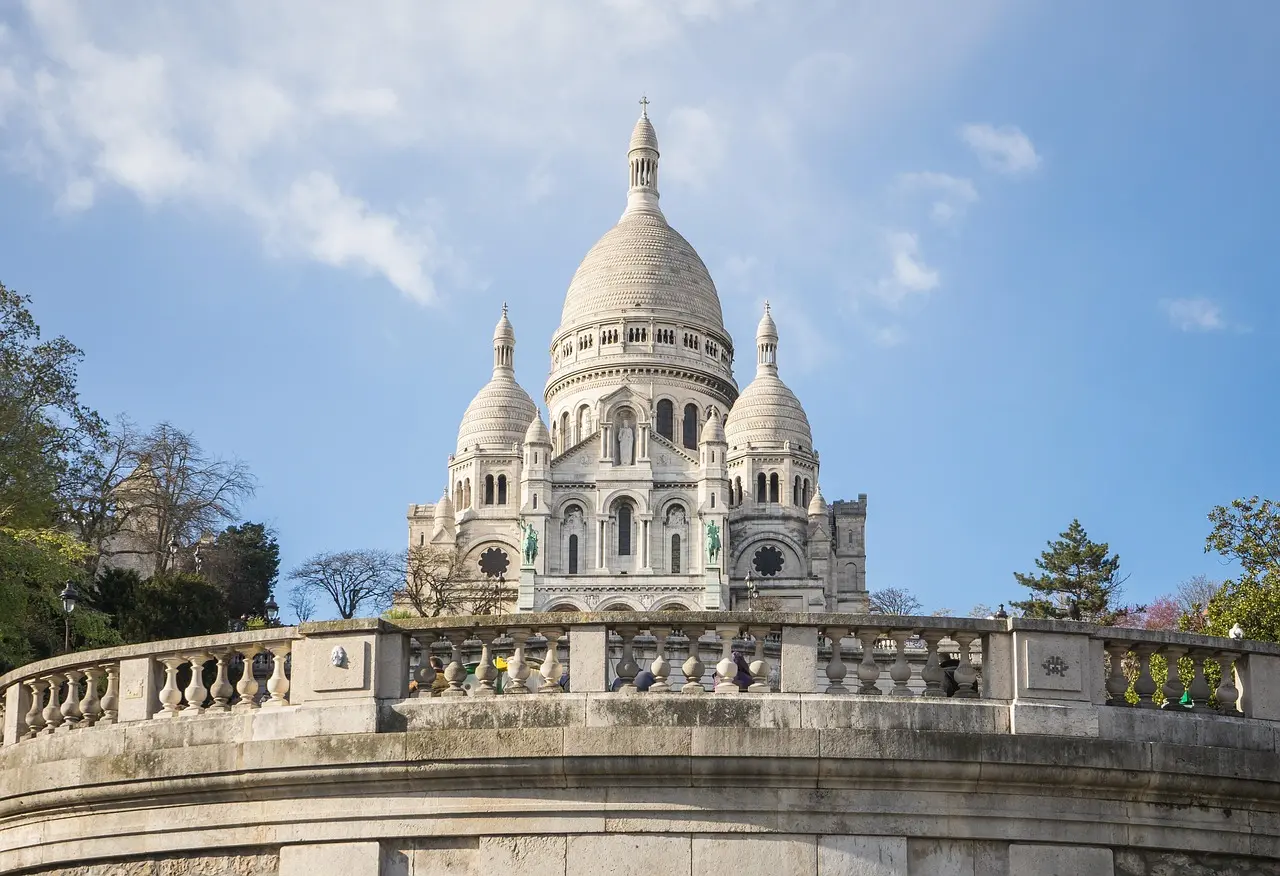
Explore Iconic Castles and Historic Towns
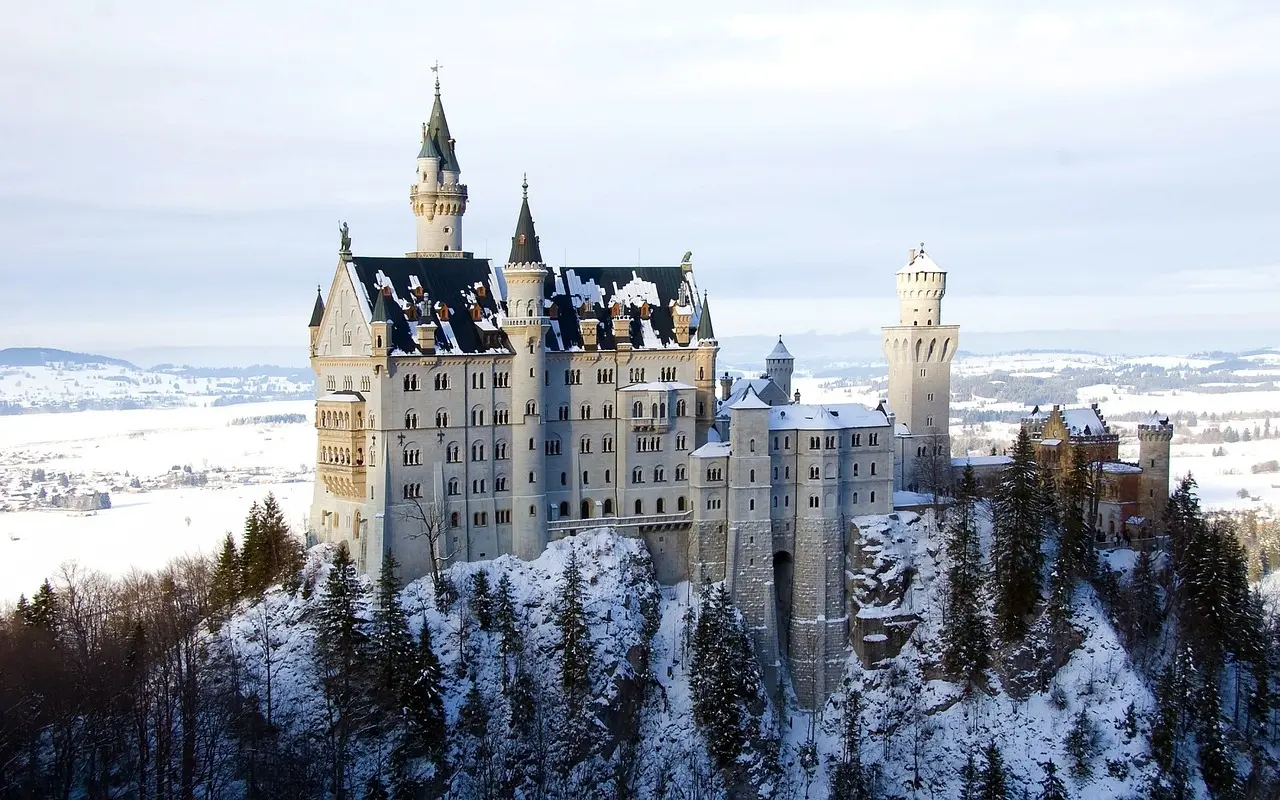
No trip to Germany is complete without visiting its fairy-tale castles and well-preserved medieval towns. Neuschwanstein Castle in Bavaria remains the quintessential German landmark, inspiring Disney’s Sleeping Beauty Castle. Equally captivating are towns like Rothenburg ob der Tauber and Quedlinburg, where cobblestone streets and half-timbered houses transport you centuries back in time.
When planning your itinerary, prioritize destinations that showcase Germany’s rich cultural heritage. These sites not only offer stunning architecture but also deep historical context. Remember to book tickets in advance during peak seasons—crowds can be overwhelming, especially at Neuschwanstein.
Savor Authentic German Cuisine Beyond Schnitzel
While Wiener Schnitzel and bratwurst are famous, authentic German cuisine varies dramatically by region. In the north, try Labskaus—a hearty sailor’s dish made with corned beef, beetroot, and herring. Head south for Swabian Maultaschen or Bavarian Weisswurst served with sweet mustard and pretzels. Don’t forget to pair meals with local beers; each region boasts unique brews, from Kölsch in Cologne to Altbier in Düsseldorf.
Avoid eating at tourist-trap restaurants near major attractions. Instead, seek out Gasthäuser (local inns) or ask residents for recommendations. This ensures not only better food but also a more genuine cultural experience. A useful long-tail phrase travelers often search for is ‘authentic German food off the beaten path’—and it’s worth the effort.

Experience Germany’s World-Class Public Transport
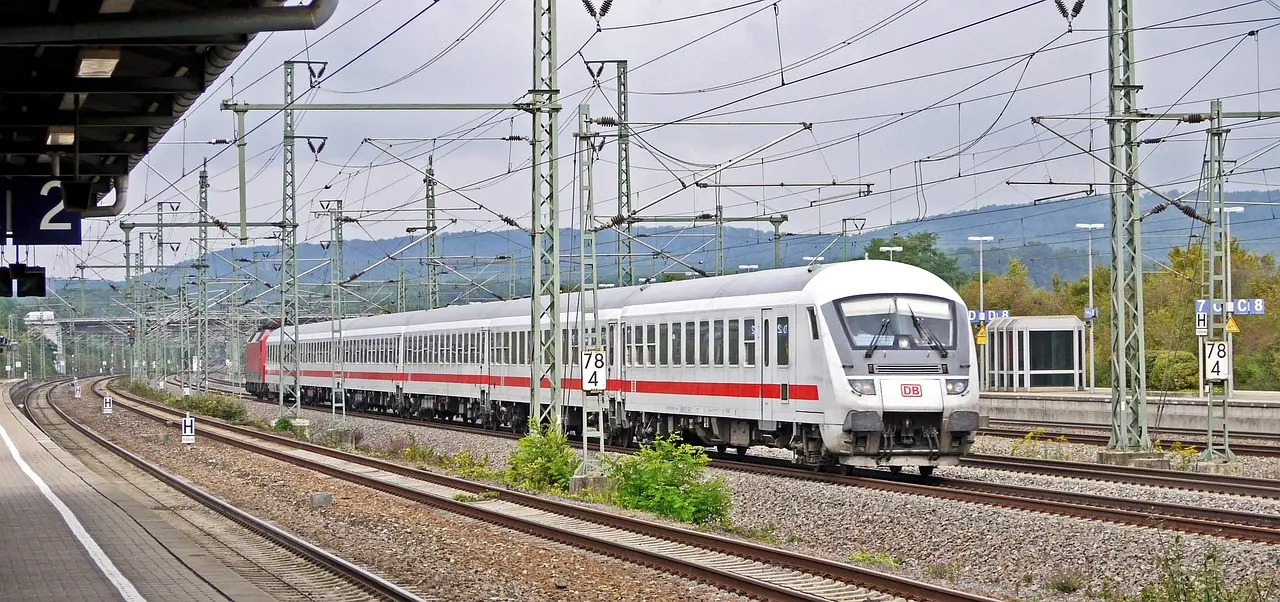
Germany’s public transportation system is efficient, punctual, and eco-friendly—making it one of the best ways to explore the country. The Deutsche Bahn (German Rail) network connects cities seamlessly, while regional buses and trams cover rural areas. Consider purchasing a rail pass like the German Rail Pass or regional day tickets (e.g., Bayern-Ticket) for unlimited travel within specific zones.
One thing to avoid: assuming all trains run 24/7. Late-night service is limited outside major cities, so plan accordingly. Also, always validate paper tickets before boarding regional trains—failing to do so can result in fines. Travelers searching for ‘how to use German trains as a tourist’ will find this tip invaluable.
Attend Local Festivals and Cultural Events
Beyond Oktoberfest—which deserves its fame but requires early planning—Germany hosts countless regional festivals celebrating everything from wine and Christmas markets to medieval reenactments. The Cannstatter Wasen in Stuttgart, the Wurstmarkt in Bad Dürkheim (the world’s largest wine festival), and the Dresden Striezelmarkt (one of Europe’s oldest Christmas markets) offer immersive cultural experiences.
Avoid visiting Oktoberfest without accommodation booked months in advance; hotels fill up quickly, and last-minute stays can be exorbitant. For a more relaxed atmosphere, consider smaller town festivals where locals outnumber tourists. Long-tail searches like ‘best German festivals beyond Oktoberfest’ often lead savvy travelers to these hidden gems.

Respect Local Customs and Etiquette
Germans value punctuality, order, and personal space. Arriving late to appointments—even social ones—is considered rude. In public spaces, keep noise levels low, especially on Sundays and public transport. Recycling is taken seriously, so familiarize yourself with the color-coded bins (yellow for packaging, blue for paper, etc.).
A common mistake tourists make is tipping excessively. In Germany, rounding up the bill or adding 5–10% is sufficient—it’s not expected like in the U.S. Also, never jaywalk; Germans adhere strictly to traffic signals, and doing otherwise may draw disapproving looks. Understanding ‘German travel etiquette for foreigners’ can greatly enhance your experience and local interactions.

Discover Natural Wonders from the Alps to the Baltic Coast
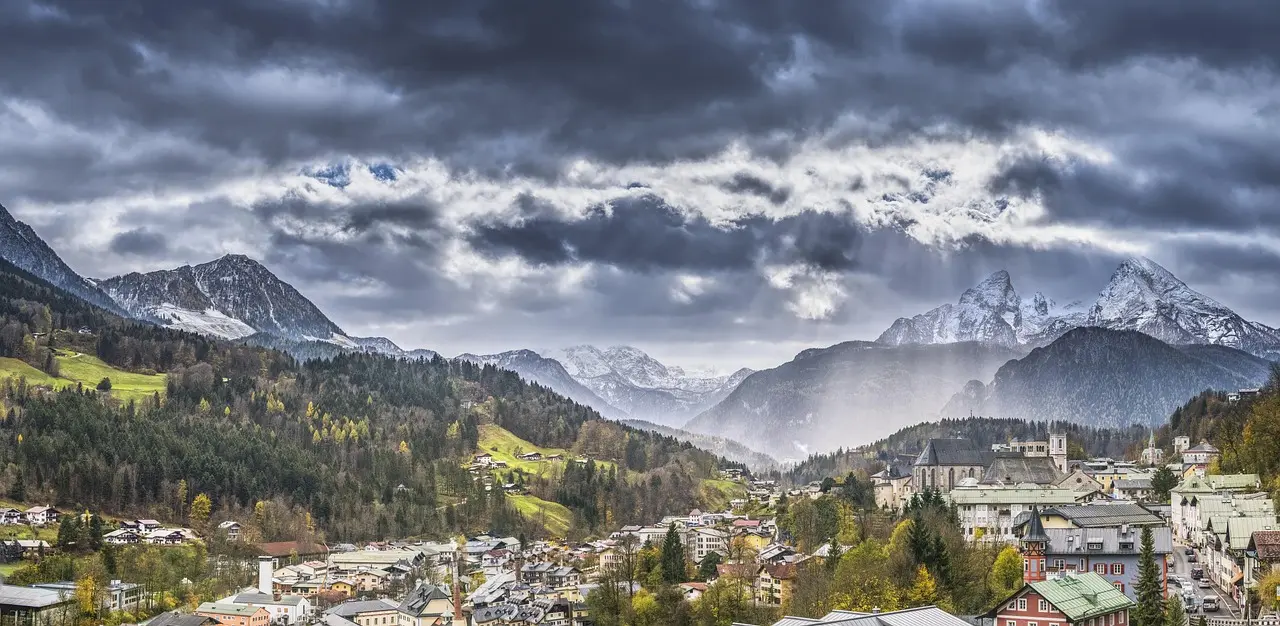
Germany’s landscapes are far more diverse than many realize. Hike the dramatic peaks of the Bavarian Alps, kayak through the serene lakes of Mecklenburg, or cycle along the Rhine Valley dotted with vineyards and ruins. The Black Forest offers enchanting trails and cuckoo clocks, while the North and Baltic Sea coasts feature windswept dunes and charming seaside resorts like Sylt and Rügen.
Avoid limiting your trip to cities alone—Germany’s natural beauty is a core part of its identity. Many travelers overlook ‘outdoor activities in Germany’ when planning, missing opportunities for hiking, cycling, and wellness retreats in pristine environments. National parks like Berchtesgaden and Müritz are perfect for eco-conscious explorers.
Germany offers an extraordinary blend of history, culture, nature, and modern convenience—but getting the most out of your visit means knowing what to embrace and what to avoid. From respecting local customs to venturing beyond tourist hubs, thoughtful planning transforms a good trip into an unforgettable journey. Whether you’re sipping Riesling in the Mosel Valley or wandering through a Hanseatic old town, let authenticity guide your adventure.