Why Rome in 2026? A City Between Timeless Grandeur and Modern Hustle
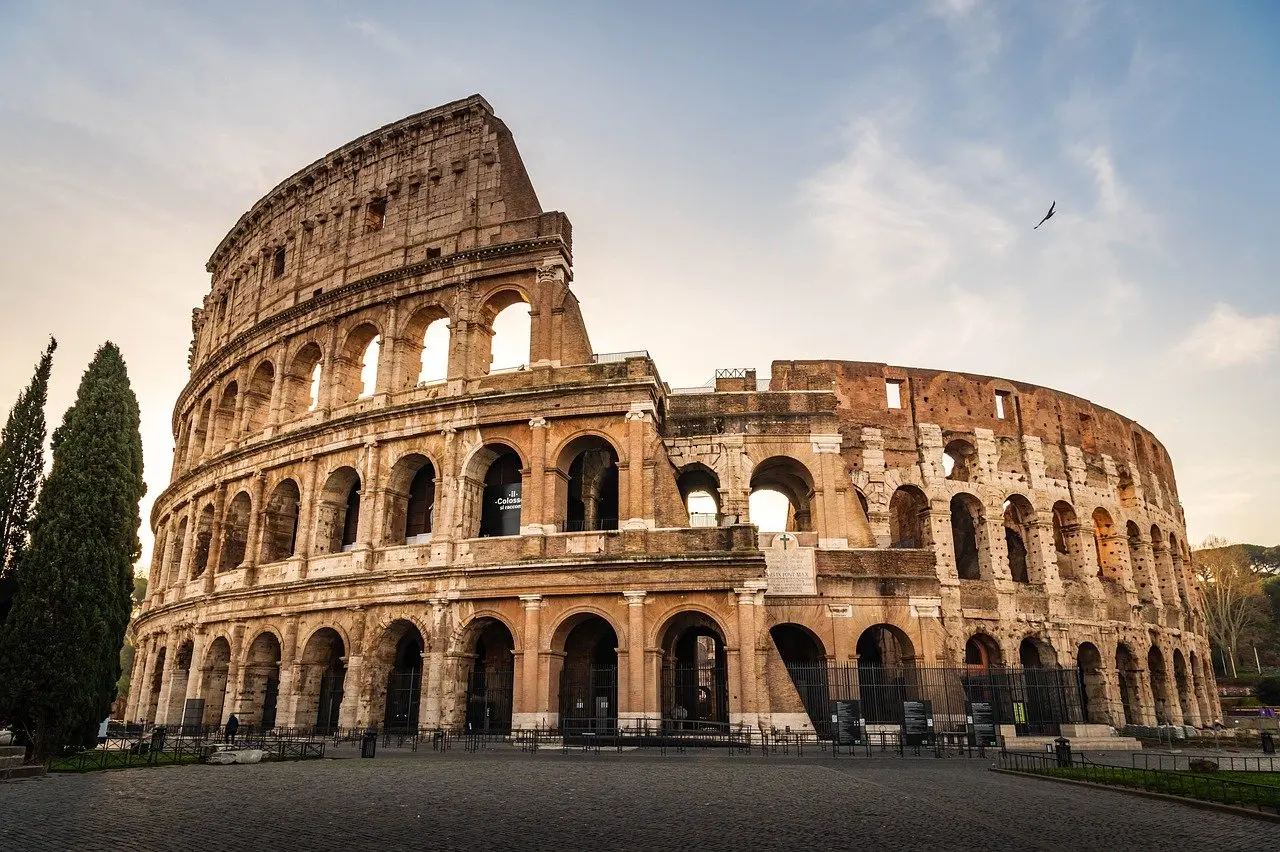
Rome isn’t just a city—it’s a living museum where ancient ruins whisper stories of emperors, gladiators, and gods, while cobblestone alleys buzz with espresso shots and spontaneous street music. In 2026, travelers face both unparalleled access to history and increasingly sophisticated tourist traps. This Rome travel guide 2026 helps you embrace the Eternal City’s magic without falling into common pitfalls.
Whether you’re crafting a 3-day Rome itinerary or planning a week-long immersion, the key is balance: prioritize authentic experiences over checklist tourism. With rising crowds and inflation, knowing what to skip is as vital as knowing what to see. From dodging fake police scams to savoring real Roman pasta, this guide equips you with practical Rome travel tips for a richer, safer journey.
Pre-Trip Essentials: Visas, Timing & Booking Smart
Before you even pack your suitcase, nail the logistics. U.S., Canadian, Australian, and many other passport holders need a Schengen visa for stays over 90 days—but for short visits, you’re visa-exempt. Still, ensure your passport is valid for at least three months beyond your departure date and carry proof of accommodation and return tickets.
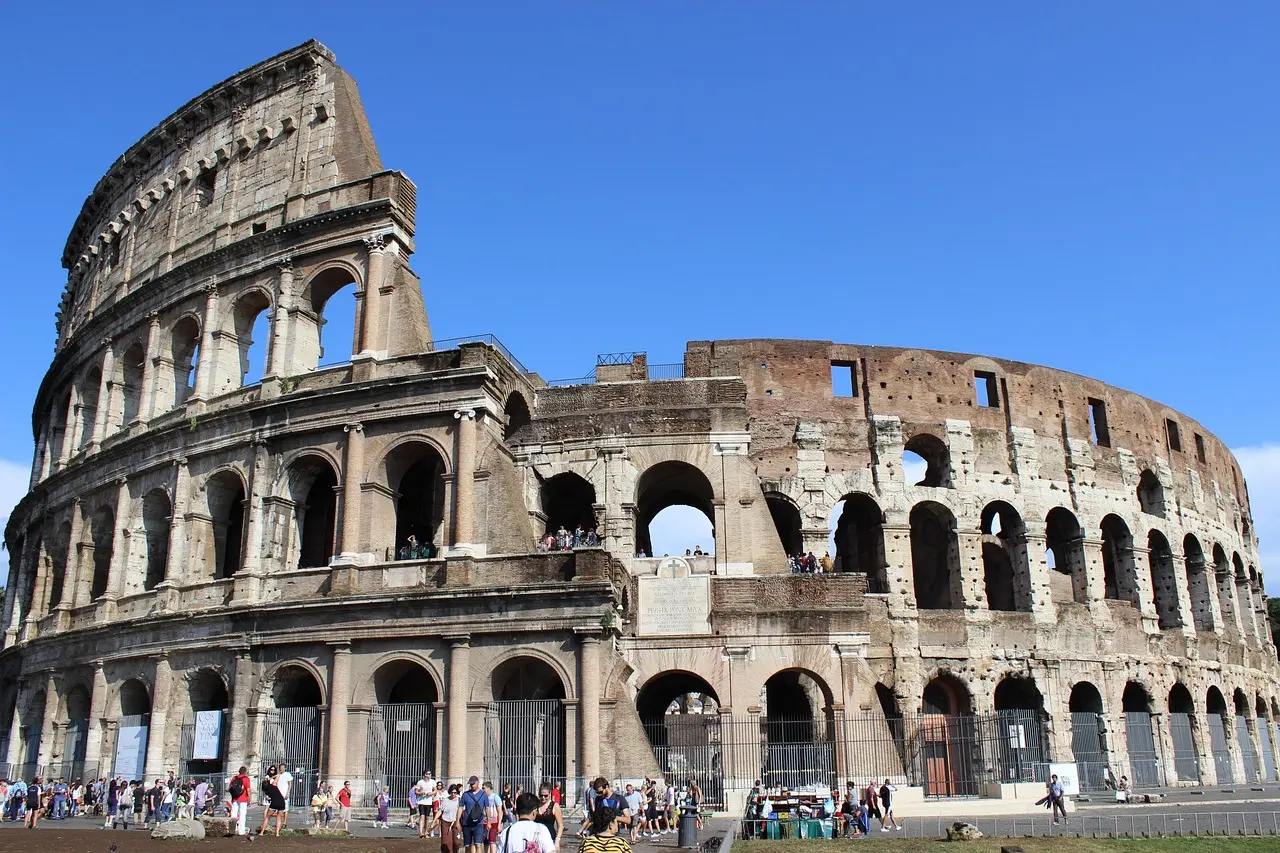
Timing is everything. The best time to visit the Colosseum—and Rome overall—is during shoulder seasons: April–May and September–October. You’ll enjoy mild weather, fewer crowds, and better hotel rates. Avoid July and August; heatwaves and throngs make sightseeing miserable. And crucially: book timed-entry tickets one month in advance for the Colosseum and Vatican Museums. Walk-up lines can stretch for hours, and 2026’s tourism rebound means demand will be fierce.
The Rome Must-Dos: Iconic Experiences Worth Your Time
Some things are non-negotiable in Rome—and not just because Instagram says so. The Colosseum demands more than a quick photo. Skip the basic ticket; instead, book the Underground + Arena Floor access. Walking where gladiators once prepared for battle, then standing on the reconstructed arena floor, transforms history from static stone into visceral storytelling.
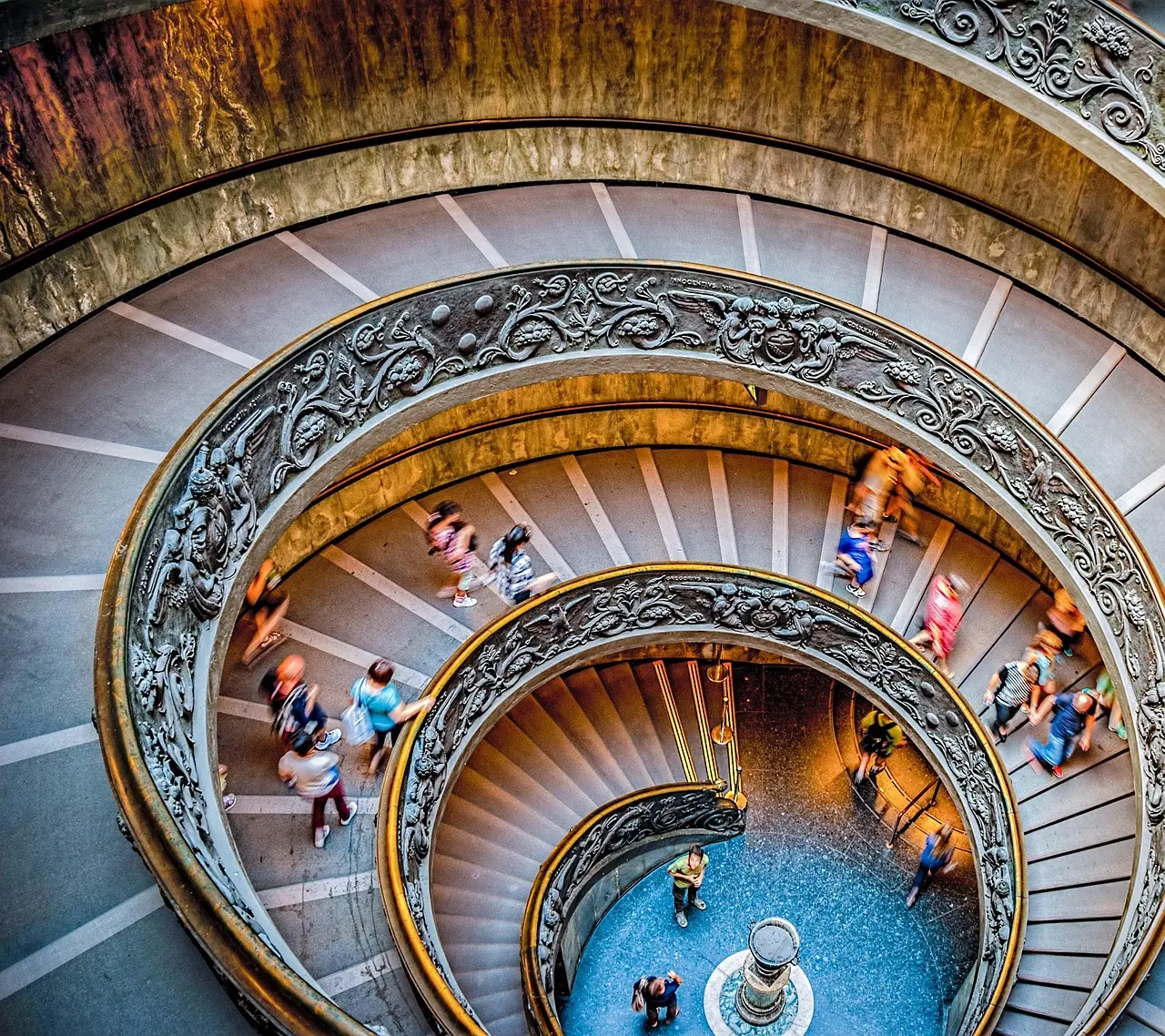
At the Vatican Museums, don’t rush to the Sistine Chapel. Arrive early (or book an 8 a.m. entry) to beat crowds and truly absorb Raphael’s frescoes. Then, climb the dome of St. Peter’s Basilica—yes, it’s 551 steps, but the panoramic view over Vatican City and Rome is unmatched. For 2026, consider booking a guided tour that includes early access; it’s worth every euro.
Trevi Fountain & Other Photo Ops Done Right
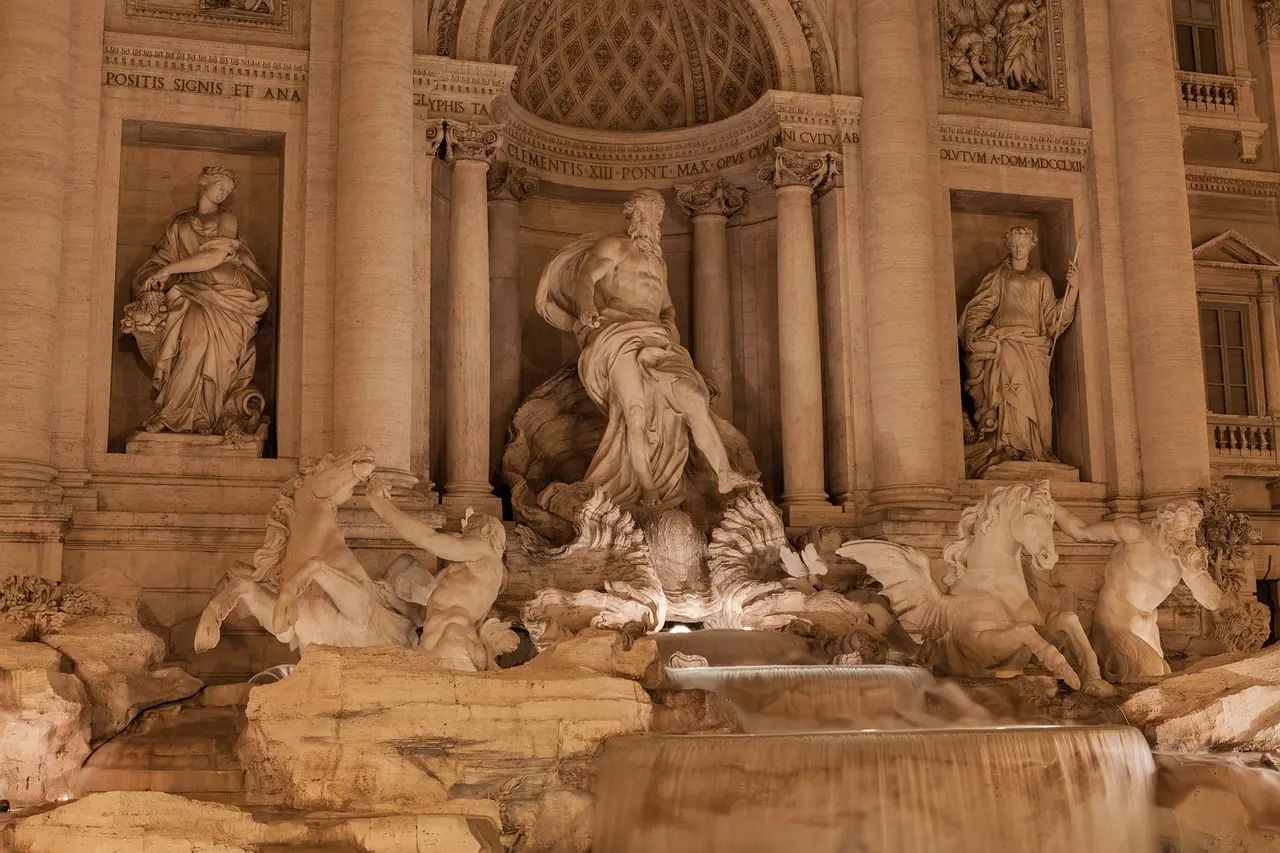
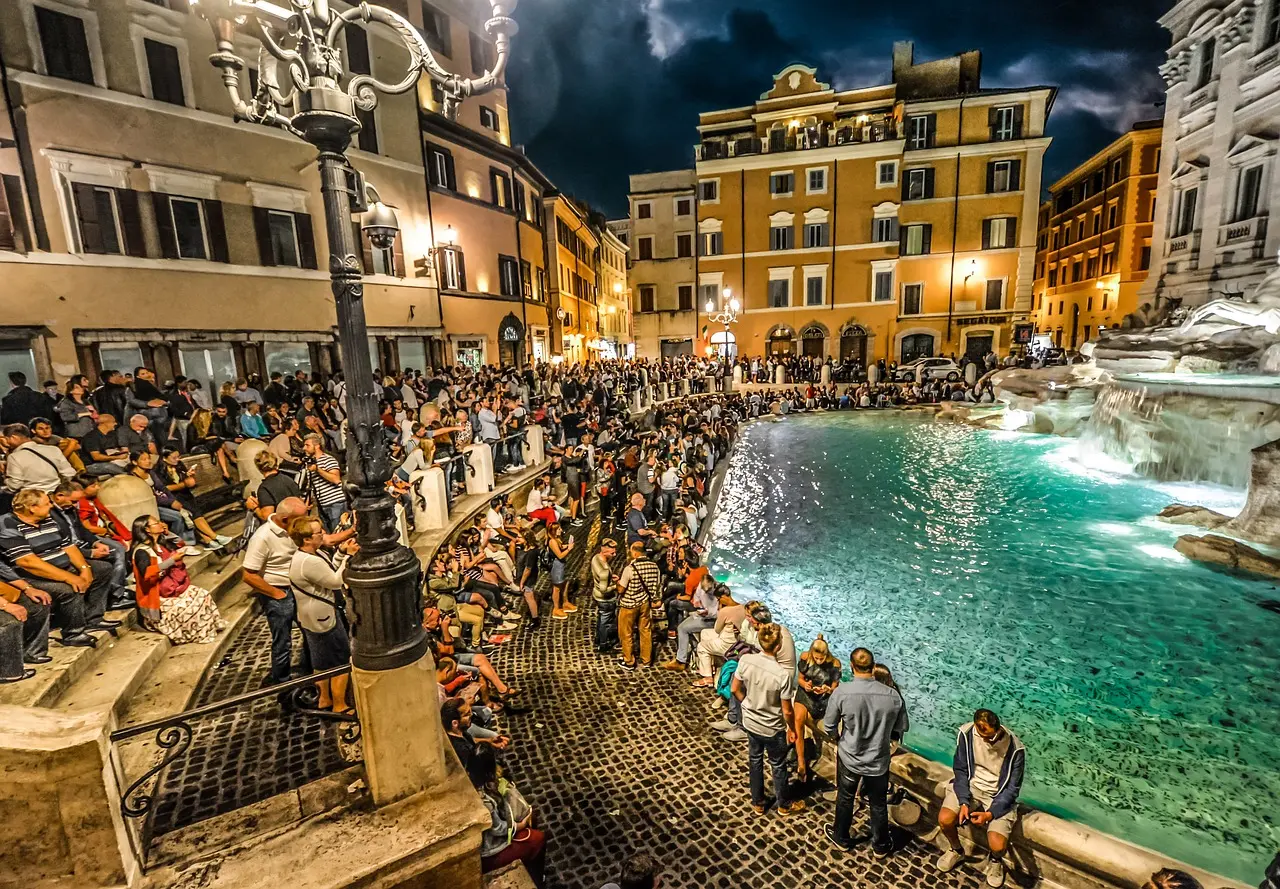
The Trevi Fountain best time to visit is 6:30 a.m.—before the crowds, selfie sticks, and souvenir hawkers descend. Toss your coin correctly: stand with your back to the fountain, use your right hand to throw over your left shoulder. One coin = return to Rome; two = find love; three = marry an Italian (so legend says).
For a less-known but equally magical shot, head to the Aventine Hill keyhole. Peek through the green door of the Knights of Malta headquarters—you’ll frame St. Peter’s Dome perfectly through layers of cypress trees and iron gates. It’s free, quiet, and utterly cinematic. Pair this with a sunrise stroll through Centro Storico Rome, where empty piazzas glow in soft morning light.
Hidden Gems That Feel Like Secret Rome
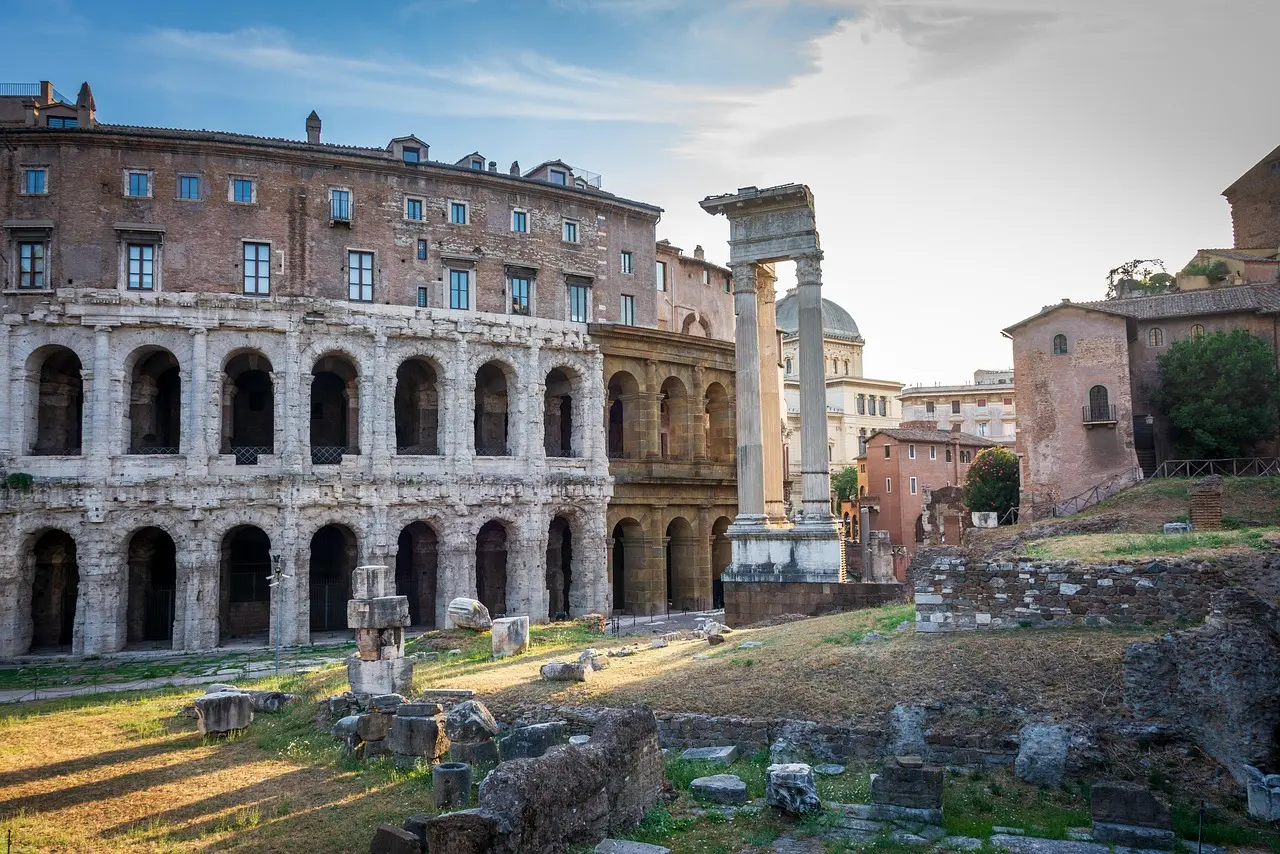
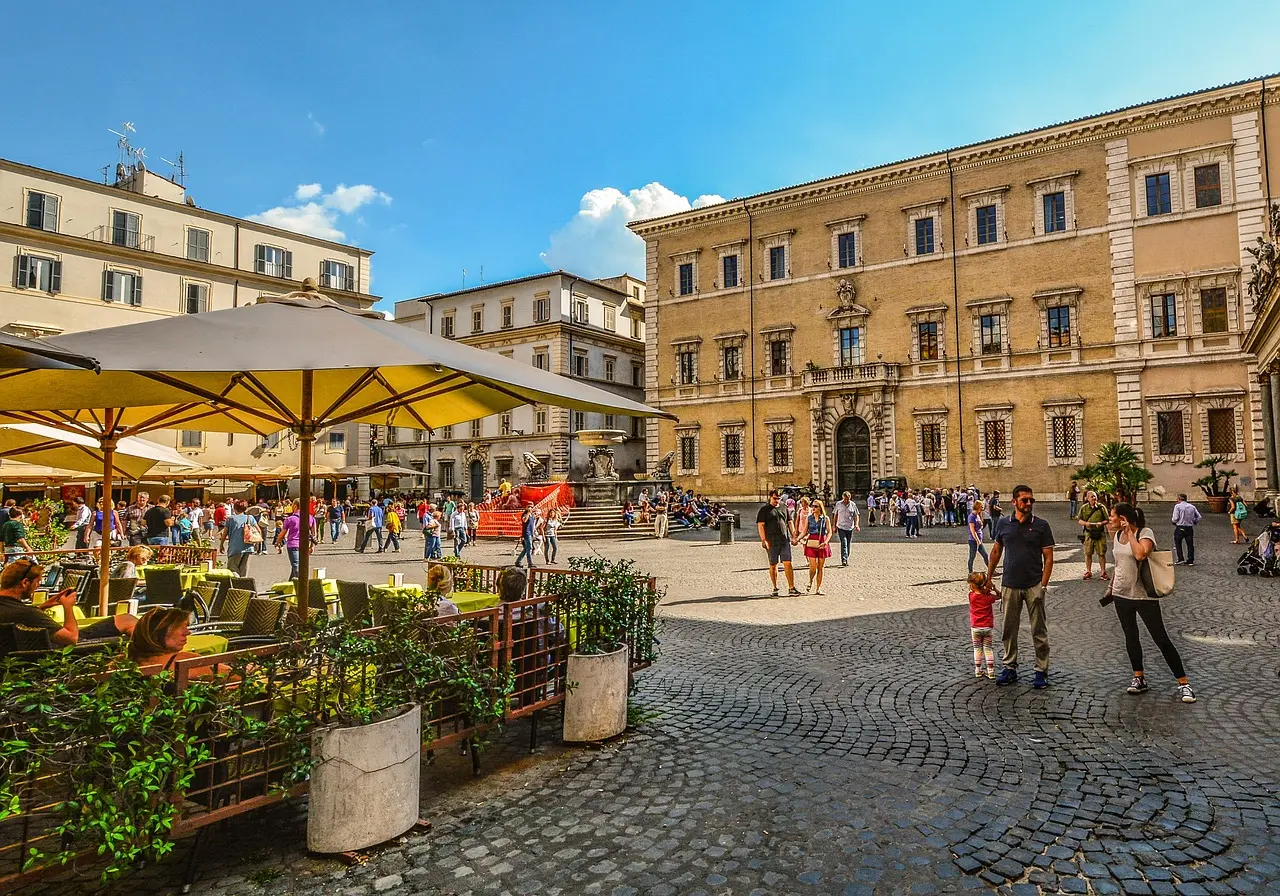
Beyond postcard sights lie neighborhoods and corners that locals cherish. Trastevere neighborhood is Rome’s bohemian heart—narrow lanes draped in ivy, tiny wine bars spilling onto cobblestones, and trattorias where nonna still cooks. Visit at dusk when lanterns flicker on and the vibe turns romantic.
Don’t miss the Church of Sant’Ignazio di Loyola in Campo Marzio. Its ceiling appears to soar into heaven thanks to a 17th-century trompe-l’œil masterpiece by Andrea Pozzo. Stand on the marked spot in the nave, look up, and witness architectural illusion at its finest—a true hidden gem in Rome often overlooked by rushed itineraries.
Eat Like a Roman: Street Food & Local Favorites
Breakfast in Rome means maritozzo—a sweet brioche split open and stuffed with whipped cream. Grab one from historic Pasticceria Bompiani or Regoli. For lunch, hunt down supplì: fried rice balls with molten mozzarella centers. Try them at Supplizio near Campo de’ Fiori—when you pull it apart and cheese strings stretch, you’ve hit gold.
Dinner? Stick to classics: Cacio e Pepe (pecorino, pepper, pasta water) or Carbonara (guanciale, egg, pecorino—never cream!). Avoid restaurants near major attractions with English menus plastered outside. Instead, wander into side streets in Monti or Testaccio. These are the Rome restaurants to avoid traps and find authenticity.

Gelato Wisdom: Spotting Real vs. Fake
Not all gelato is created equal. Tourist zones overflow with neon-colored mounds labeled ‘gelato’—but real gelato artigianale uses natural ingredients, so colors are muted: pistachio is beige-green, banana is pale gray, strawberry is deep red—not electric pink. Look for signs saying ‘Artigianale’ and tubs stored flat, not piled high.
Top spots include Giolitti (since 1900), Fatamorgana (organic, inventive flavors), and Gelateria del Teatro near Ponte Sisto. Skip places near the Spanish Steps or Pantheon with flashy displays—these are classic Rome tourist traps serving industrial ice cream.

Vatican City Tips 2026: Beat the Chaos
Visiting the Vatican Museums in 2026 requires strategy. Book online weeks ahead—official site or authorized resellers only. Morning entries (8–10 a.m.) are ideal. Dress code is strict: covered shoulders and knees. Scarves help for quick fixes. Once inside, head straight to the Raphael Rooms before doubling back to the Sistine Chapel.
Afterward, explore the Vatican Gardens (requires separate booking) or simply sit in St. Peter’s Square at sunset. For a quieter spiritual moment, attend a papal audience if scheduled during your stay—free but requires advance reservation via your embassy.
Is the Roma Pass Worth It in 2026?
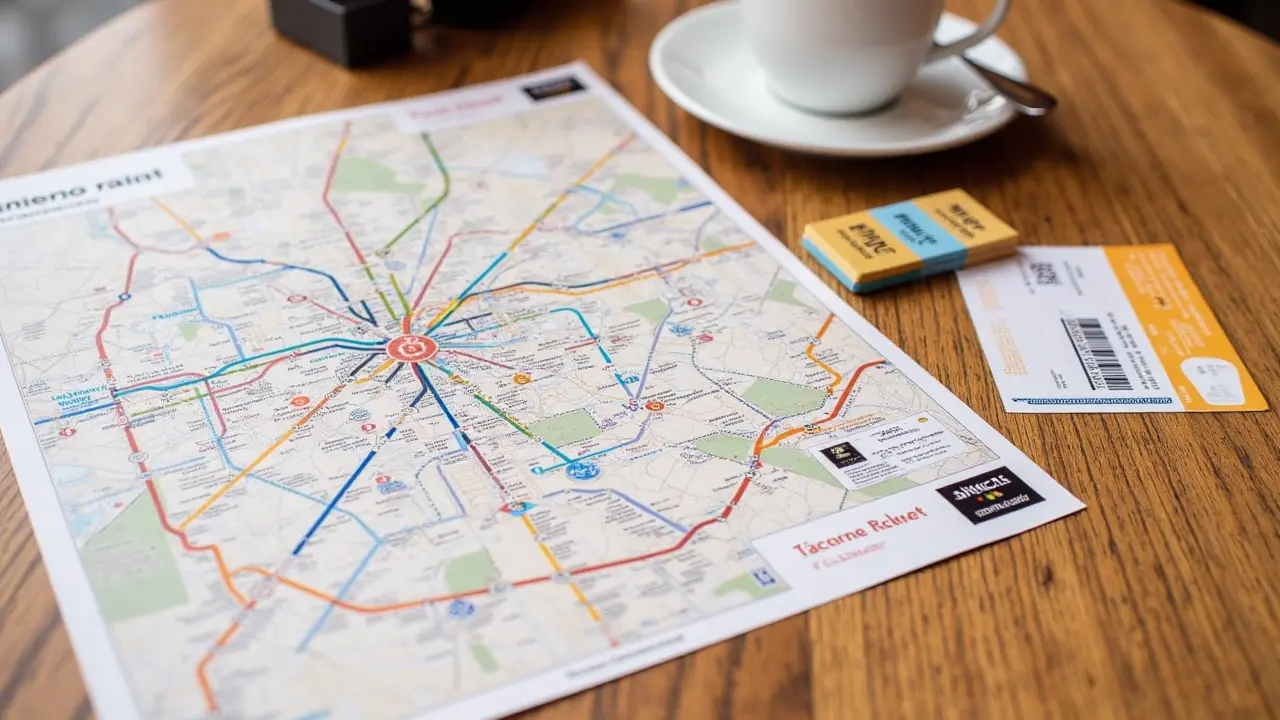
The Roma Pass offers 48 or 72 hours of public transport, free entry to first two sites (like Colosseum or Capitoline Museums), and discounts elsewhere. In 2026, it’s worth it only if you plan intensive sightseeing within 2–3 days. Calculate: Colosseum + Forum + Palatine costs €24 alone. Add transport (€1.50 per metro ride), and the €33/€40 pass pays off.
But note: it doesn’t cover Vatican City. And if you’re taking it slow or focusing on free walks (like Centro Storico or Villa Borghese), skip it. Also, Roma Pass doesn’t guarantee skip-the-line—still book timed slots separately for major attractions.
Rome on a Budget: Smart Savings Without Sacrifice
You don’t need deep pockets to enjoy Rome. Many churches (Pantheon, Santa Maria in Trastevere) and public fountains are free. Walk everywhere—most sights cluster within 2 sq km. Use public water fountains (nasoni) to refill bottles; tap water is safe and delicious. A €1.50 bottle of still water becomes free with your own cup.
Lunch deals (menu del pranzo) offer 2–3 courses for €12–€18 in local areas. Picnic with market finds from Campo de’ Fiori or Mercato Testaccio. And always carry cash—many small eateries and gelaterias don’t accept cards.
Tourist Traps to Avoid: Scams & Overpriced Pitfalls
Rome’s beauty hides cunning cons. Beware of Rome tourist traps like ‘free’ rose givers or bracelet tiers—they’ll demand €20 after ‘gifting’ you. Ignore them firmly. Fake police may ask to ‘check’ your wallet; real officers never do this on the street. Say ‘No, grazie’ and walk away.
Restaurant scams abound. If your bill includes both servizio (service charge) and coperto (cover charge), question it—double charging is illegal. Also, avoid eateries with laminated English menus and staff soliciting customers outside. These are red flags for frozen, reheated meals.

Transport Tricks: Taxis, Buses & Walking Wisely
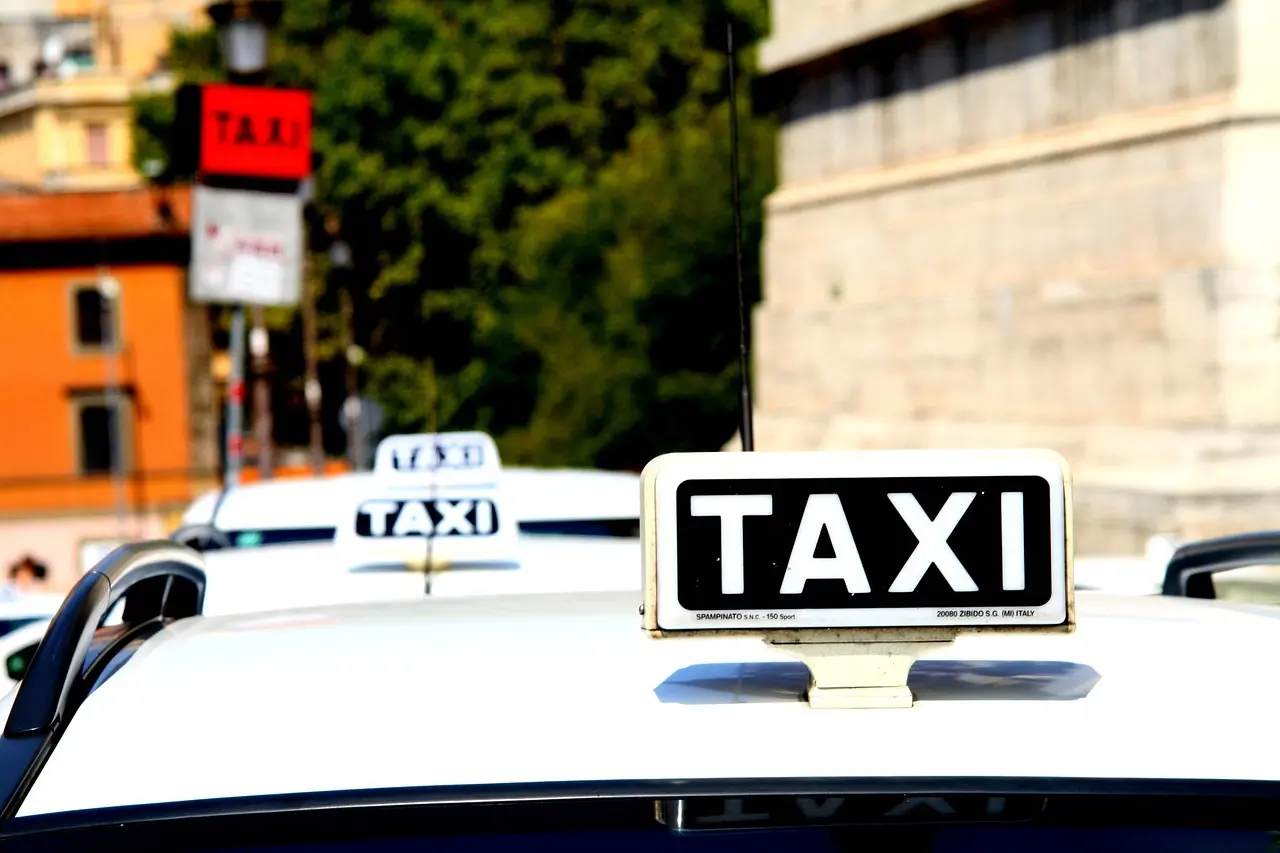
Public transport is cheap but pickpockets thrive on bus 64 (runs from Termini to Vatican)—keep bags zipped and phones hidden. For taxis, only use white official cabs with ‘Comune di Roma’ signage. Always confirm they use the meter by asking ‘Tassametro?’ If going to Fiumicino Airport, agree on fixed fare (€50 daytime) beforehand.
Walking is best—but wear broken-in shoes. Rome’s basalt cobblestones are brutal on heels. Download offline maps (Google Maps or Maps.me) to avoid getting lost in winding alleys. And never buy ‘designer’ knockoffs from street vendors; fines up to €10,000 await buyers.
Where to Stay: Neighborhoods That Balance Charm & Safety
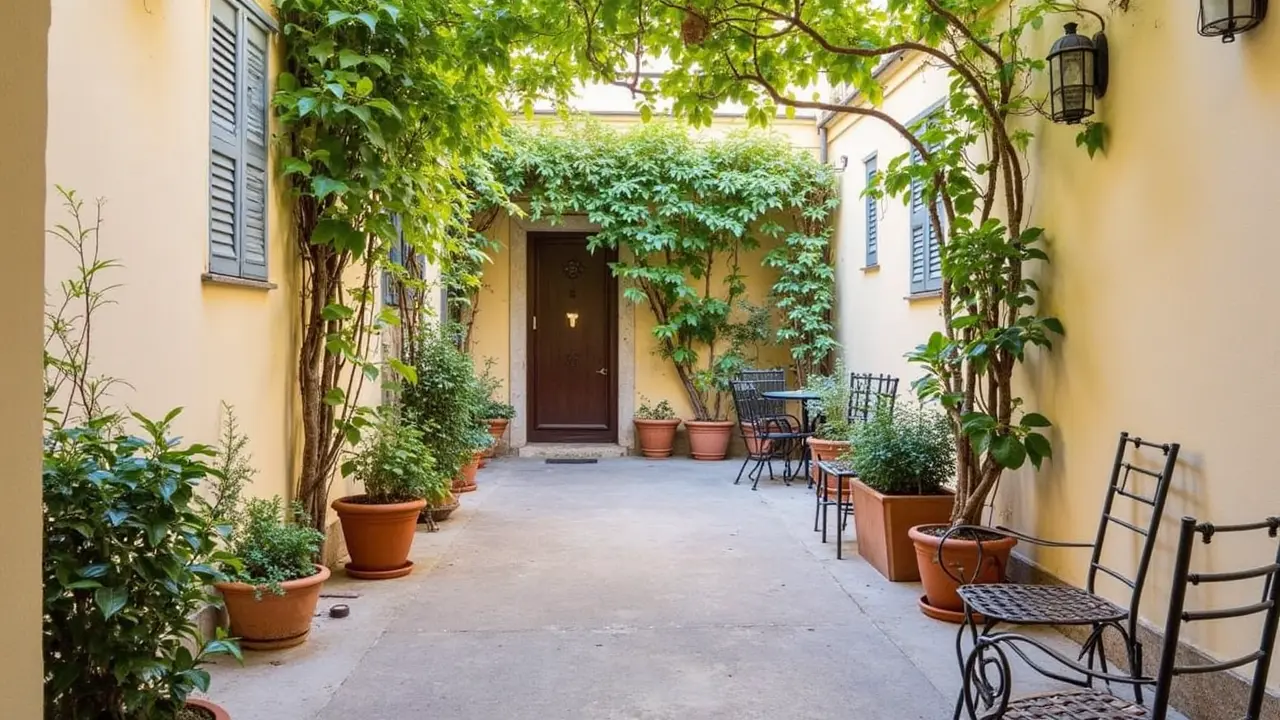
Choose accommodations in Monti, Trastevere, or Prati—walkable, atmospheric, and safer than areas near Termini Station. Avoid ground-floor apartments; Roman thieves target unlocked windows. Use safes for passports and extra cash. Airbnb hosts should provide registered addresses—illegal rentals are rampant.
Hotels near Piazza Navona or Campo de’ Fiori offer prime access but cost more. For Rome on a budget, consider guesthouses in Esquilino (east of Termini) with metro access. Always read recent reviews mentioning noise, cleanliness, and host reliability.
Souvenir Smarts: What’s Worth Buying (and What’s Not)
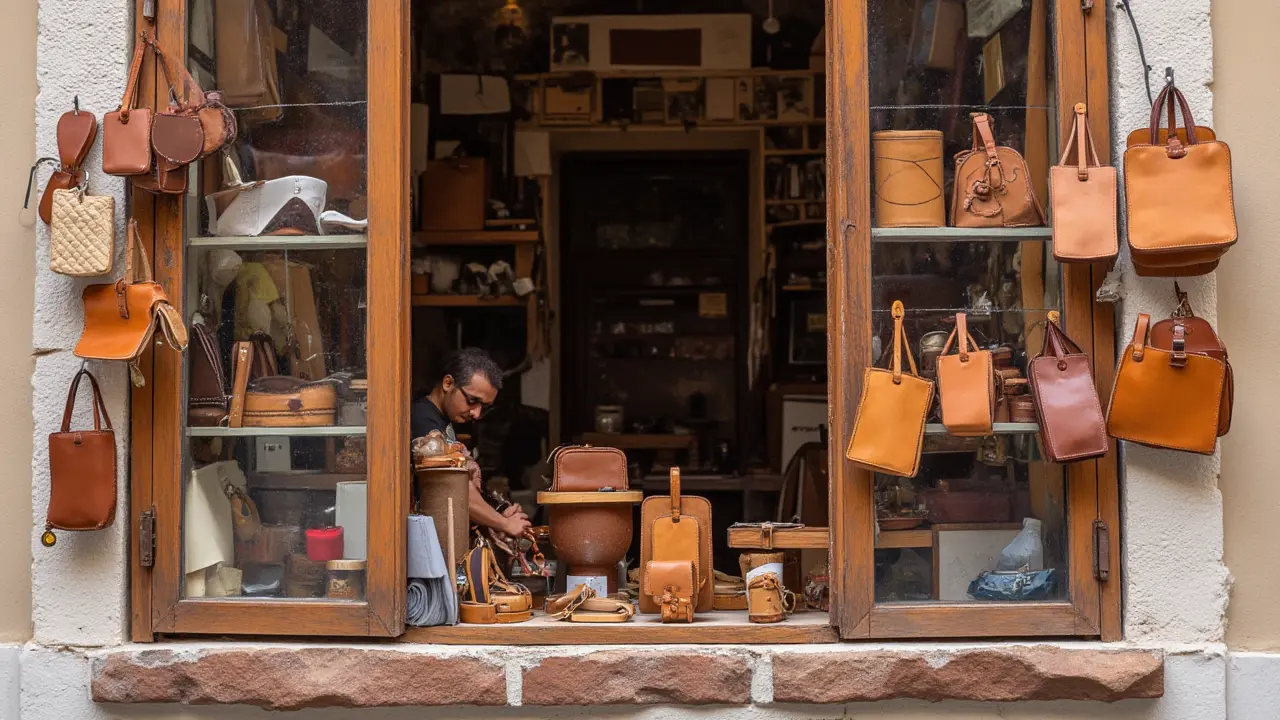
Skip plastic Colosseum keychains sold by street vendors—most are ‘Made in China.’ Instead, buy authentic souvenirs: leather goods from Via del Governo Vecchio, ceramics from Deruta shops, or olive oil from Eataly. Museum gift shops (like at MAXXI or Palazzo Altemps) offer tasteful, locally made items.
For food lovers, bring home dried pasta from Pastificio Cerere or aged balsamic from Antica Corte. These support artisans and make meaningful gifts. Remember: exporting large quantities of food may require customs checks—stick to sealed, commercial packaging.
Day Trips Worth Taking (and Those to Skip)
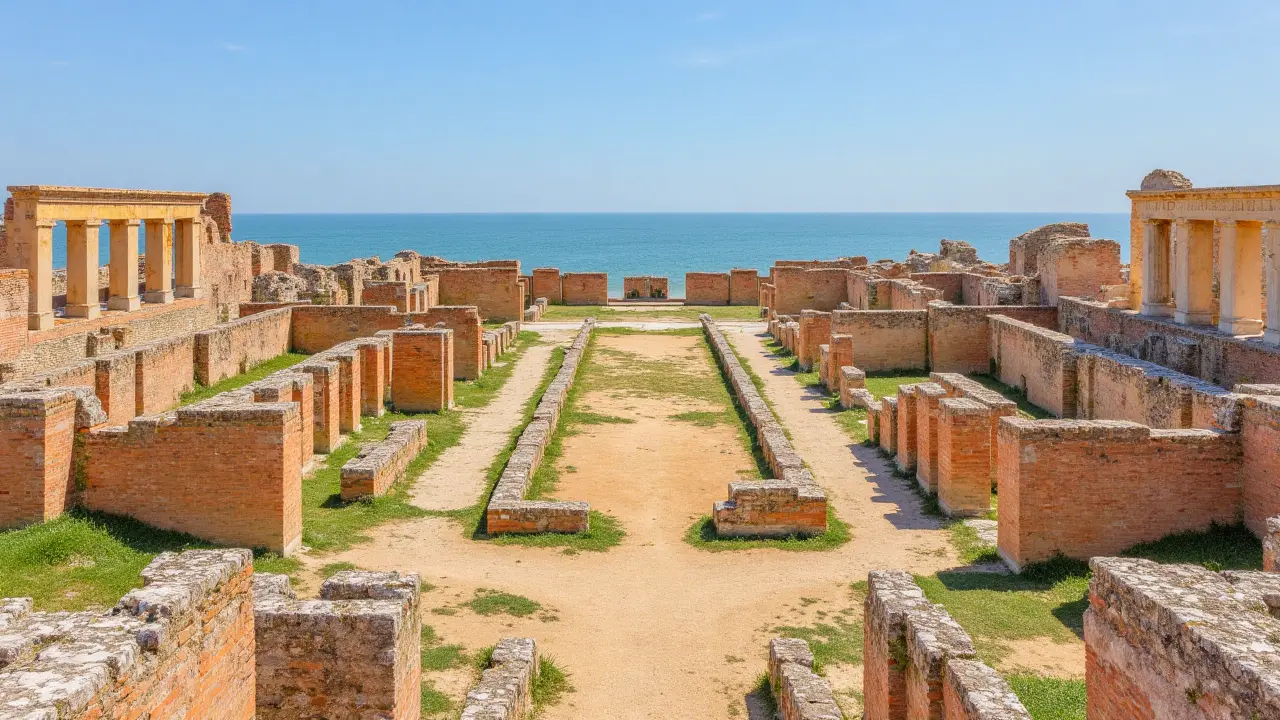
If time allows, Ostia Antica beats Pompeii for proximity—just 30 minutes by train, with fewer crowds and equally impressive ruins. Tivoli’s Villa d’Este offers Renaissance gardens and fountains, perfect for a half-day escape. But skip overhyped ‘wine tours’ that shuttle you to generic vineyards; instead, book a small-group experience in Frascati with lunch included.
Avoid same-day Vatican+Colosseum marathons—they exhaust you and dilute the experience. Better to dedicate full days to each. And never join ‘free walking tours’ that pressure for large tips; pay upfront for reputable guides via GetYourGuide or Tiqets.
Final Checklist: Last-Minute Rome Travel Tips
Pack light layers—Rome’s weather shifts fast. Bring a scarf for church visits and comfortable shoes. Download apps: Trenitalia (trains), MyCicero (transport tickets), and The Fork (restaurant bookings). Learn five Italian phrases: ‘Buongiorno,’ ‘Dov’è…?,’ ‘Il conto, per favore,’ ‘Quanto costa?,’ and ‘No, grazie.’ Locals appreciate the effort.
Carry photocopies of your passport; leave originals in the hotel safe. Enable international roaming or buy a TIM/WindTre SIM at the airport. And most importantly: slow down. Sit at a café, watch life unfold in a piazza, and let Rome reveal itself—not through a rushed itinerary, but through lingering moments.

Rome in 2026 rewards the curious, the prepared, and the unhurried. By focusing on genuine experiences—like sharing supplì in Trastevere or catching dawn light at the Trevi Fountain—and sidestepping well-worn traps, you’ll discover a city that’s both grand and intimate. Let this Rome travel guide 2026 be your compass, but remember: the true magic lies not in ticking boxes, but in pausing long enough to hear the whispers of history between bites of cacio e pepe and the clink of espresso cups. Arrivederci, and buon viaggio!