Why Visit Europe in Summer?
Summer is peak season for exploring the 10 most visited tourist attractions in Europe, offering long daylight hours, vibrant festivals, and ideal weather for sightseeing. Many travelers ask: Should I go to Europe in July? The answer is yes—if you plan wisely. While cities like Paris and Rome can get busy, early mornings and strategic itineraries help avoid crowds. Moreover, destinations such as the Azores or Slovenia offer cooler alternatives for those seeking relief from intense heat.
Europe in summer caters to diverse preferences. Whether you’re looking for where to go in Europe for hot weather (think Greek islands) or where in Europe is not crowded in summer (consider Portugal’s Alentejo region), there’s something for everyone. Budget-conscious travelers often wonder, What is the cheapest country in Europe to visit in summer? Countries like Bulgaria, Romania, and parts of Croatia provide excellent value without sacrificing beauty or culture.

1. Eiffel Tower, Paris, France
Topping the list of the 10 most visited tourist attractions in Europe is the iconic Eiffel Tower in Paris. Welcoming over 6 million visitors annually, this iron lattice marvel offers panoramic views of the City of Light. Summer is a magical time to visit—especially at sunset—though crowds are inevitable. To beat the rush, book skip-the-line tickets online and arrive before 9 a.m.
Paris remains a top choice for luxury travelers asking, Where do rich people summer in Europe? The city’s blend of haute couture, Michelin-starred dining, and cultural heritage makes it perennially glamorous. Yet, budget travelers can also enjoy free museums on the first Sunday of the month and picnics along the Seine. For those concerned about heat, Paris averages a pleasant 25°C (77°F) in July—much milder than southern Europe.

2. Colosseum, Rome, Italy
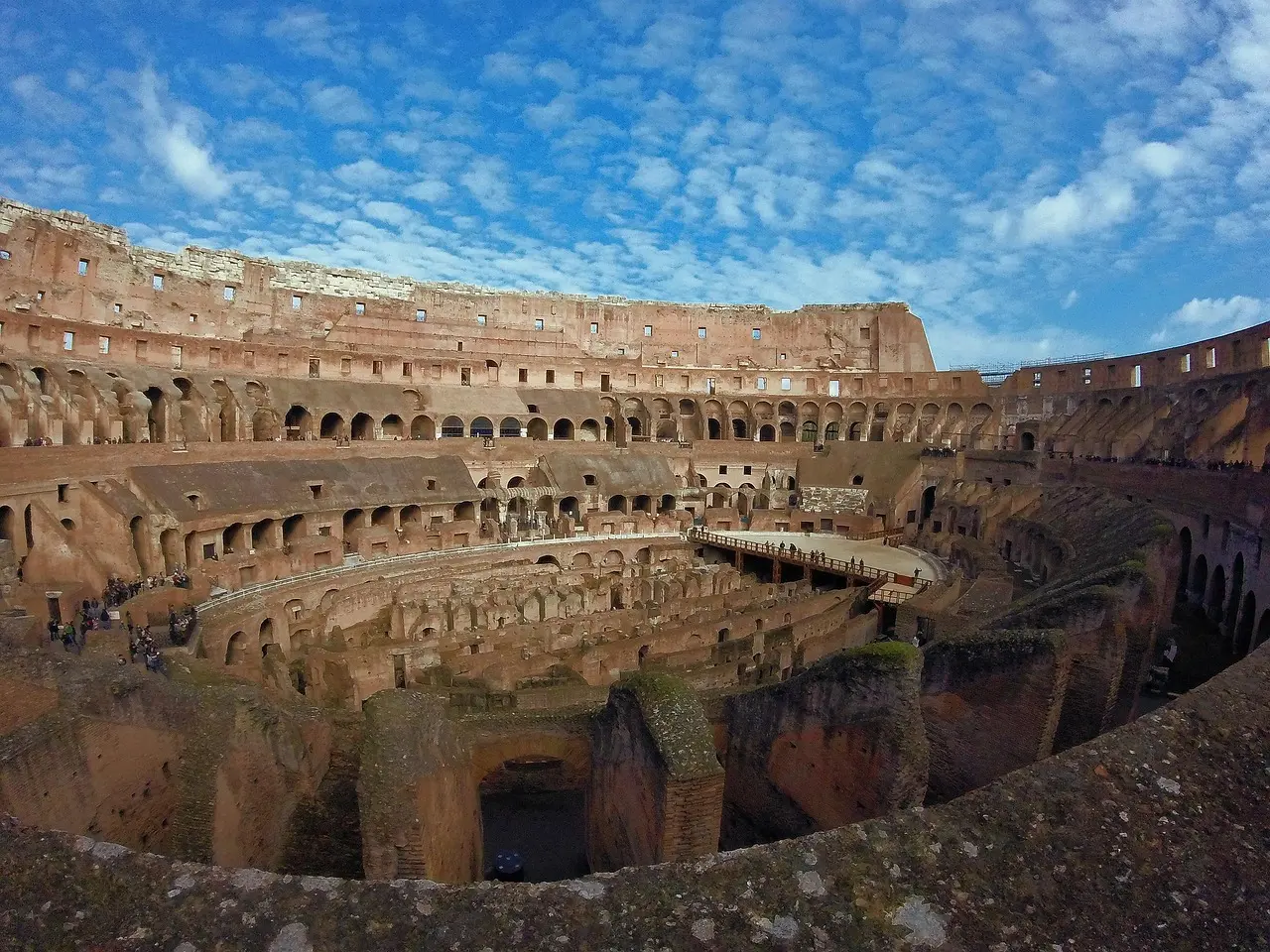
The ancient Colosseum in Rome draws nearly 7 million visitors each year, making it one of the 10 most visited tourist attractions in Europe. This 2,000-year-old amphitheater stands as a testament to Roman engineering and history. Summer visits require preparation: temperatures often exceed 30°C (86°F), so hydration and sun protection are essential.
Travelers wondering Is Greece or Croatia hotter? should note that Rome rivals both in summer heat. However, early access tours allow you to explore before the midday blaze. Pair your visit with nearby attractions like the Roman Forum and Palatine Hill for a full historical immersion. Despite the crowds, Rome remains a must-see—especially if you’re compiling a top 15 destination in Europe list.
3. Sagrada Família, Barcelona, Spain
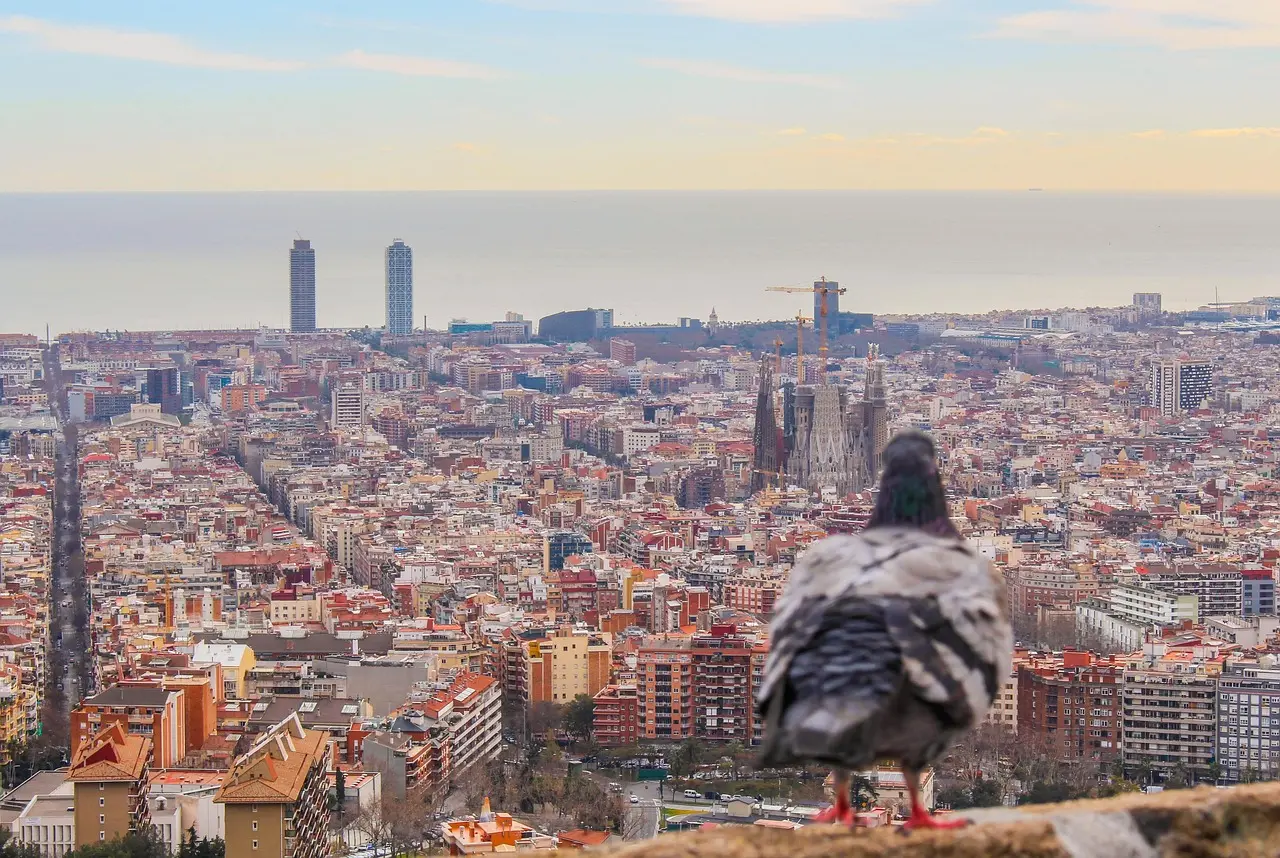
Antoni Gaudí’s unfinished masterpiece, the Sagrada Família, welcomes over 4.5 million visitors annually and ranks among the 10 most visited tourist attractions in Europe. Its surreal architecture blends Gothic and Art Nouveau styles, creating a visual spectacle unlike any other. Summer in Barcelona means warm days (averaging 28°C/82°F) and lively street life—but also large crowds.
To enhance your experience, book timed-entry tickets with tower access for breathtaking city views. Families and solo travelers alike appreciate Barcelona’s mix of beach and culture. If you’re weighing where to go abroad in the summer, consider that Barcelona offers both urban energy and Mediterranean relaxation—though August can feel overly packed. Late June or early September are smarter choices for fewer crowds.
4. Neuschwanstein Castle, Bavaria, Germany
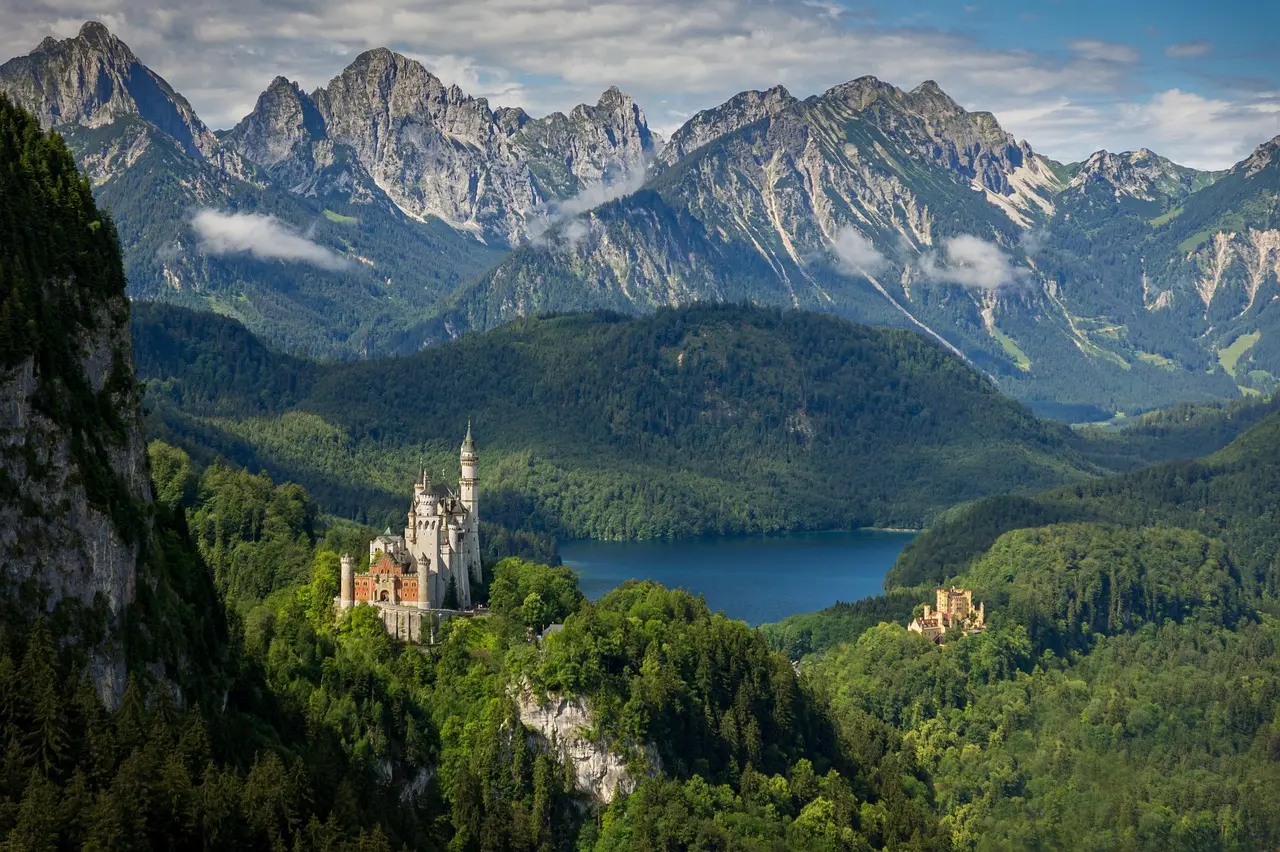
Perched on a hill in southern Bavaria, Neuschwanstein Castle looks like it leapt from a fairy tale—and it inspired Disney’s Sleeping Beauty Castle. With over 1.5 million annual visitors, it’s a standout among the 10 most visited tourist attractions in Europe. Summer offers lush greenery and clear views of the Alps, though parking and shuttle lines can be long.
This destination appeals to those seeking where to spend summer in Europe away from scorching heat. Daytime temperatures hover around 22°C (72°F)—refreshingly cool compared to Mediterranean zones. Combine your visit with Hohenschwangau Castle and a hike to Marienbrücke bridge for the best photo ops. It’s also a great stop if you’re road-tripping through Germany or Austria.
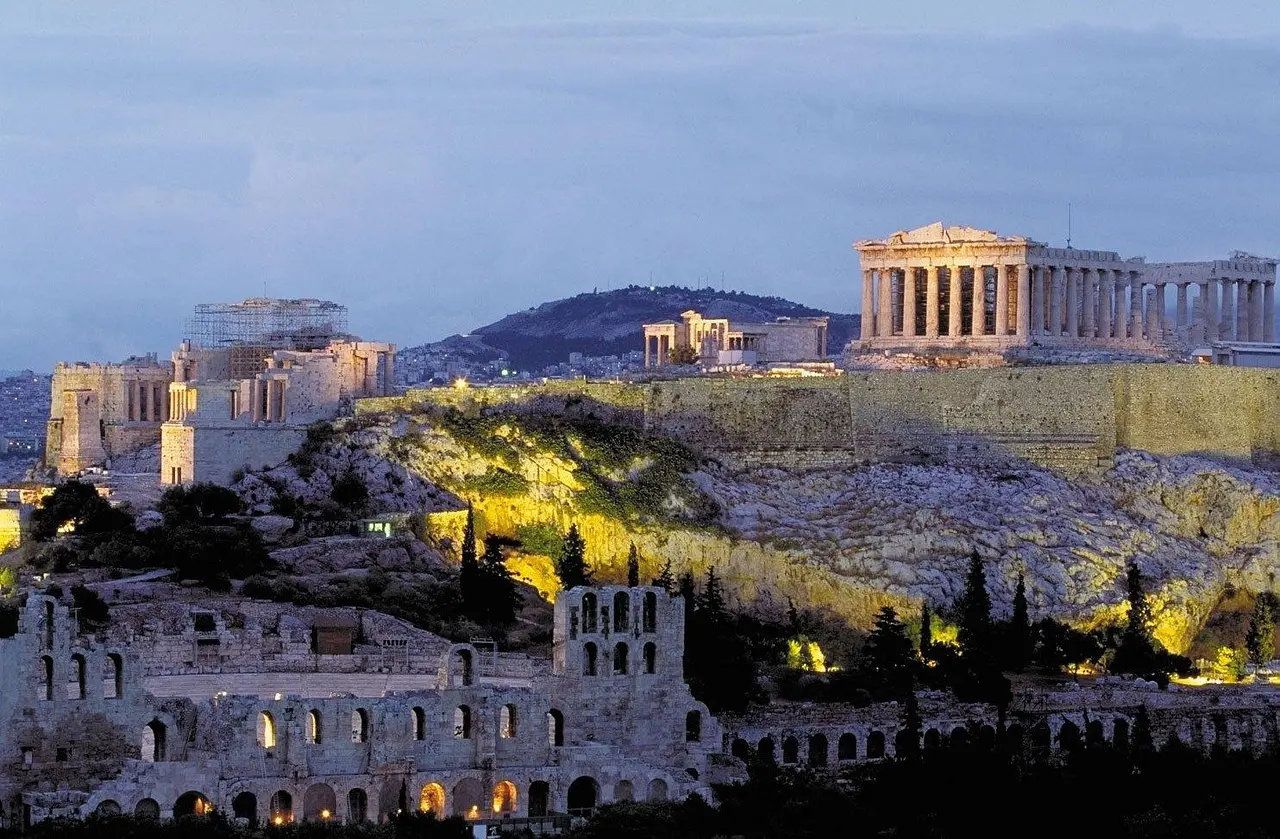
5. Acropolis of Athens, Greece
The Acropolis, crowned by the Parthenon, is one of the 10 most visited tourist attractions in Europe and a symbol of ancient Greek civilization. Over 3 million people climb its marble steps yearly. Summer brings intense heat—Athens often hits 35°C (95°F) in July—so visiting at sunrise is strongly advised.
For travelers debating Is Greece or Croatia hotter?, Greece generally edges out, especially inland. Coastal areas like Mykonos or Santorini offer sea breezes but remain crowded in August. If you seek authenticity with fewer tourists, consider visiting the Acropolis in late May or early June. Pair it with the Acropolis Museum for a deeper understanding of classical antiquity.
6. Charles Bridge, Prague, Czech Republic
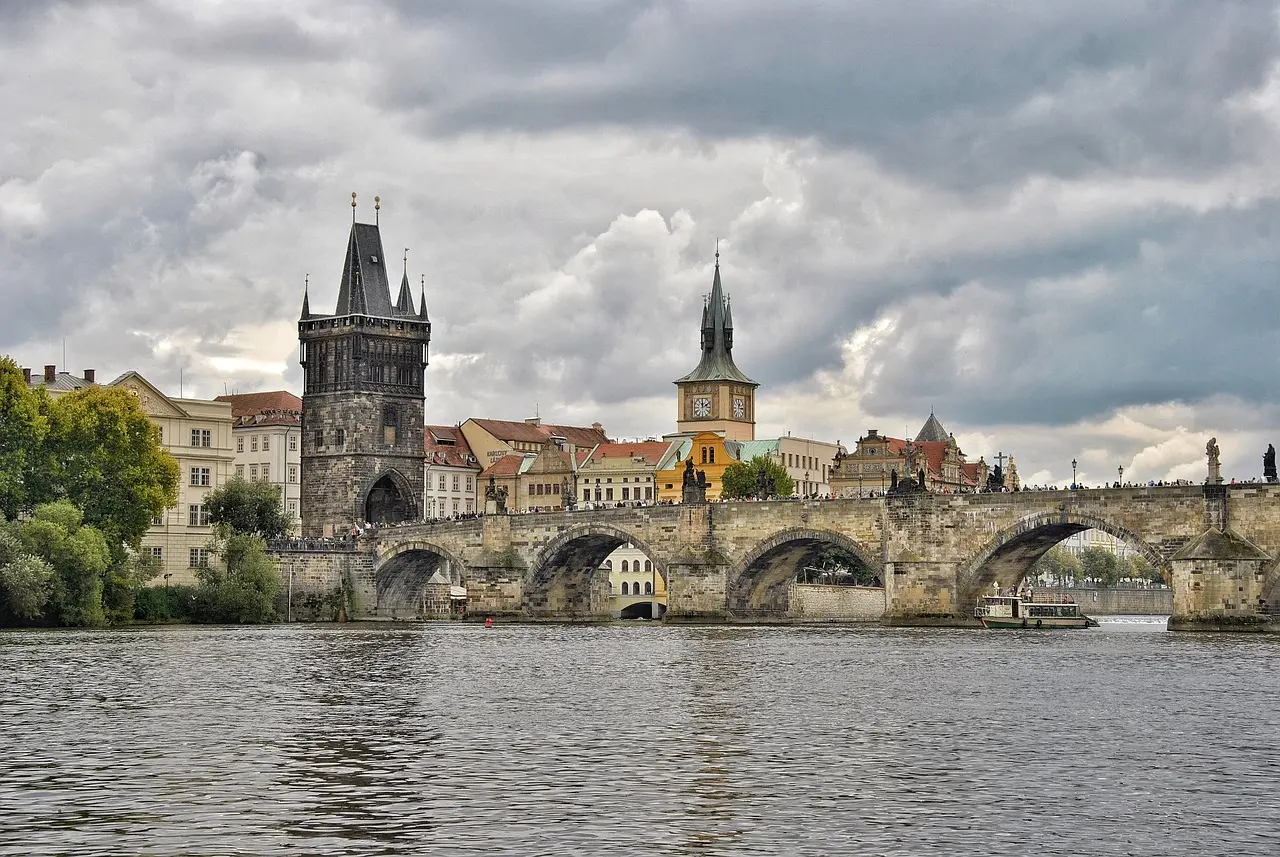
Linking Prague’s Old Town and Lesser Town, Charles Bridge is more than just a crossing—it’s an open-air gallery of Baroque statues and a hub of street performers. As part of the 10 most visited tourist attractions in Europe, it sees millions of footsteps each year. Summer enhances its charm with longer evenings and riverside cafes.
Prague is also frequently cited when answering What is the cheapest country to visit in Europe? The Czech Republic offers excellent value: affordable lodging, hearty meals, and cheap public transport. Temperatures average 23°C (73°F) in July—comfortable for walking. To avoid crowds, cross the bridge at dawn when mist rises from the Vltava River and the city feels timeless.
7. Vatican Museums & Sistine Chapel, Vatican City
Though tiny in size, Vatican City packs immense cultural power. The Vatican Museums and Sistine Chapel attract over 6 million visitors annually, securing their place among the 10 most visited tourist attractions in Europe. Michelangelo’s ceiling fresco alone draws art lovers from every continent.
Summer visits require strategy. Lines can stretch for hours, so pre-booked tickets with early access (7:30 a.m.) are worth the investment. The Vatican’s indoor setting offers respite from Rome’s summer heat. For those compiling a top 15 destination in Europe list, this spiritual and artistic epicenter is non-negotiable—even if you’re not religious.

8. Plitvice Lakes National Park, Croatia
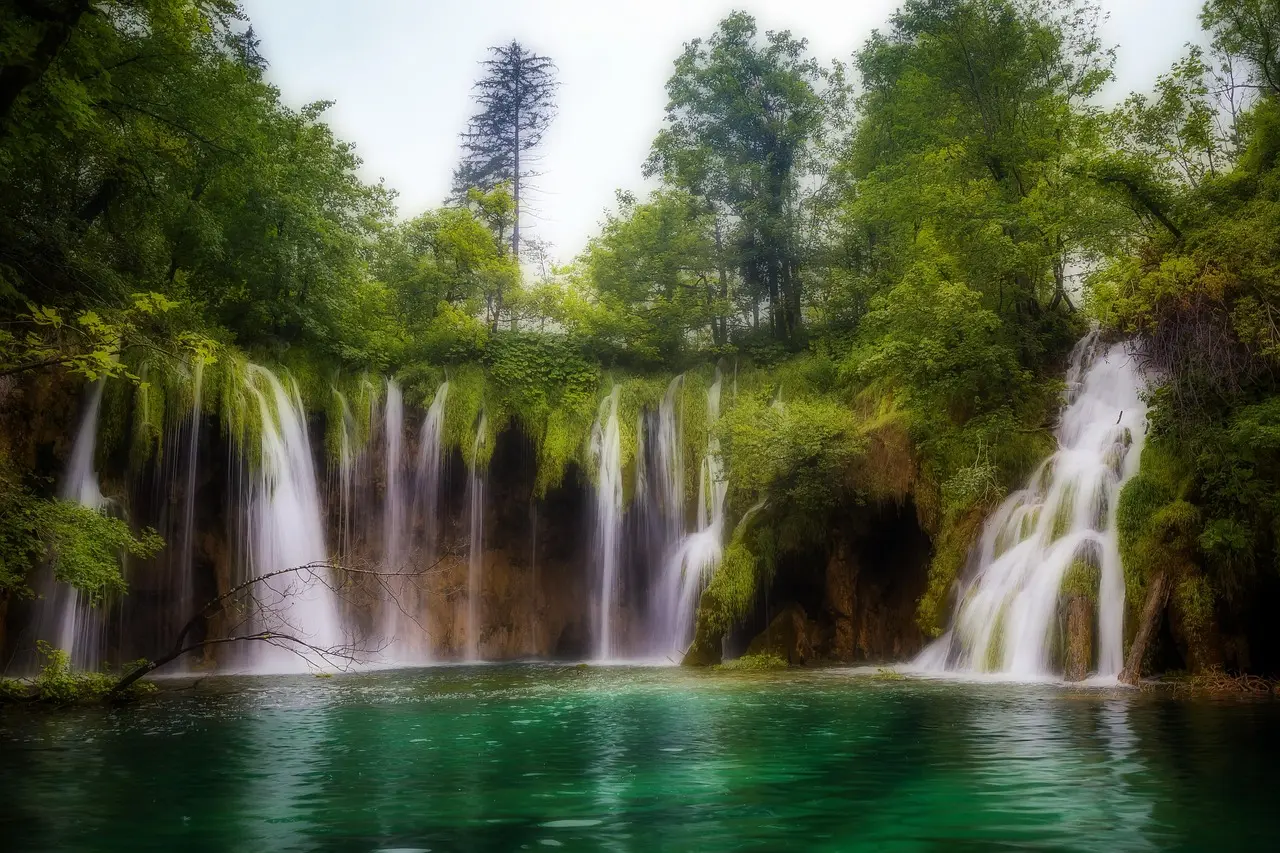
Croatia’s Plitvice Lakes National Park is a natural wonder featuring cascading lakes connected by wooden walkways and waterfalls. With over 1 million annual visitors, it’s a rising star among the 10 most visited tourist attractions in Europe. Summer showcases its full vibrancy—lush greenery, turquoise waters, and blooming flora.
While coastal Croatia gets extremely hot and crowded in August, Plitvice offers a cooler inland escape (averaging 24°C/75°F). It’s perfect for travelers asking Where in Europe is not crowded in summer?—though arriving before 8 a.m. is key. Note: swimming is prohibited to preserve the ecosystem, but photography opportunities abound. Combine with a trip to Zagreb or the Dalmatian coast for a balanced itinerary.
9. Louvre Museum, Paris, France
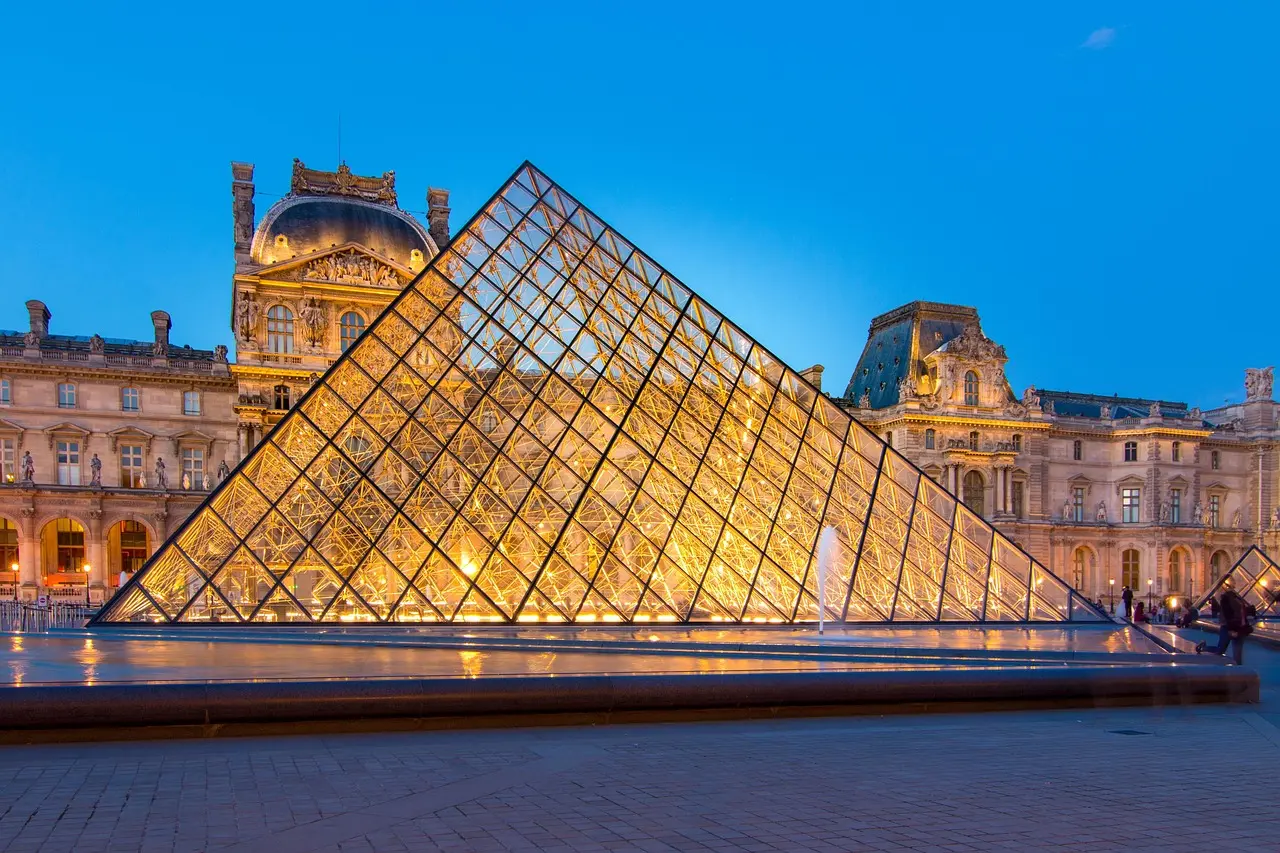
Home to the Mona Lisa and Venus de Milo, the Louvre is the world’s most-visited museum and a cornerstone of the 10 most visited tourist attractions in Europe. Over 9 million people pass through its glass pyramid entrance yearly. Summer means extended opening hours (until 9:45 p.m. on Wednesdays and Fridays), allowing evening visits under softer light.
Despite its fame, smart planning reduces stress. Book online, enter via the Carrousel du Louvre mall to avoid main queues, and focus on 2–3 wings max per visit. Paris in July may be busy, but the Louvre’s air-conditioned halls offer cool refuge. For culture-focused travelers building a top 15 destination in Europe list, skipping the Louvre is unthinkable.
10. Dubrovnik Old Town, Croatia
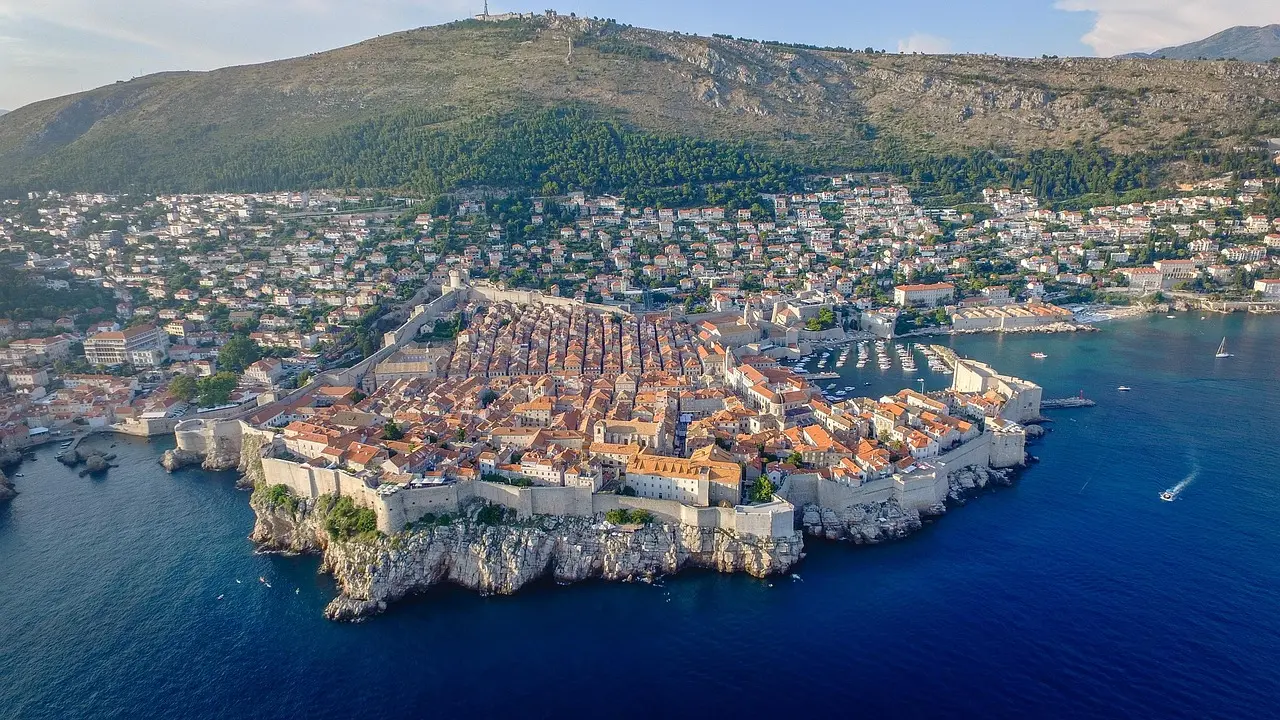
Encircled by medieval walls overlooking the Adriatic Sea, Dubrovnik’s Old Town is a UNESCO gem and one of the 10 most visited tourist attractions in Europe. Made famous by ‘Game of Thrones,’ it draws over 1.3 million visitors annually. Summer brings cruise ships and high temperatures—often above 30°C (86°F)—making timing crucial.
To dodge crowds, walk the city walls at sunrise or explore in late afternoon. Consider staying overnight; after day-trippers leave, the limestone streets glow under lantern light. While Dubrovnik is pricier than other Balkan spots, nearby islands like Lokrum offer affordable escapes. For those asking Where to avoid in Europe in August?, Dubrovnik’s Old Town is near the top—but with planning, it’s still magical.
Beyond the Top 10: Hidden Gems for Summer Travel
While the 10 most visited tourist attractions in Europe offer unforgettable experiences, savvy travelers often seek alternatives. If you’re asking Where in Europe is not crowded in summer?, consider Slovenia’s Lake Bled, Portugal’s Azores, or Romania’s Transylvania. These destinations provide stunning scenery, rich culture, and lower prices.
For budget travelers wondering What is the cheapest country to visit in Europe?, look beyond Western Europe. Albania, North Macedonia, and Bulgaria offer Mediterranean coastlines, mountain hikes, and historic towns at a fraction of the cost. Meanwhile, if you crave luxury without crowds, the French Riviera’s lesser-known villages like Èze or Saint-Paul-de-Vence deliver elegance with tranquility.

When to Go: Navigating Europe’s Summer Months
Choosing the right time within summer dramatically affects your experience. Should I go to Europe in July? Yes—especially for festivals, open-air concerts, and ideal beach weather. But July and August are peak months, so expect higher prices and crowds. Conversely, late June or early September offer similar weather with fewer tourists.
If you’re deciding between Which international trip is best in July?, prioritize destinations with moderate climates. Northern Europe (Iceland, Scotland, Baltic states) stays cool (15–20°C/59–68°F), while southern zones sizzle. Also, note that many Europeans take August off, so some local businesses close—particularly in Italy and France. Plan accordingly if you want authentic local interactions.

Budget Tips: Finding Affordable Summer Adventures
Many assume Europe is expensive in summer, but that’s not always true. When asked What is the cheapest country in Europe to visit in summer?, Eastern and Southeastern nations shine. Bulgaria’s Black Sea resorts, Romania’s Carpathian villages, and Bosnia’s historic towns offer rich experiences under $50/day.
Use budget airlines (Ryanair, Wizz Air) for inter-country hops, stay in hostels or agriturismos, and eat at local markets. Cities like Lisbon and Kraków balance affordability with top-tier attractions. Remember: even in pricey destinations like France or Italy, picnics, free walking tours, and museum-free days keep costs down. Asking Where is the cheapest place to vacation in July? leads you eastward—not west.

Heat vs. Comfort: Choosing Your Ideal Climate
Temperature plays a huge role in summer enjoyment. Travelers often ask Where to go in Europe that isn’t too hot? The answer lies in elevation or latitude. Consider the Scottish Highlands, Swiss Alps, or Portugal’s northern coast—all averaging under 25°C (77°F) in July. In contrast, Where to go in Europe for hot weather? points to Andalusia, Sicily, or Crete, where highs reach 35°C+ (95°F+).
Greece and Croatia both offer stunning coastlines, but Is Greece or Croatia hotter? depends on location. Athens is typically hotter than Dubrovnik, while inland Croatia (like Plitvice) is cooler than Greek islands. Use this knowledge to match your tolerance. If you dislike humidity, opt for dry-heat zones like central Spain over muggy Adriatic ports.

Crowds and Timing: Maximizing Your Experience
One of the biggest summer challenges is managing crowds at the 10 most visited tourist attractions in Europe. The solution? Timing. Arrive at major sites right at opening—often 8–9 a.m.—or visit during lunch hours when tour groups break. Alternatively, explore on Mondays or Tuesdays, when some museums are closed but outdoor sites are quieter.
For those asking Where to avoid in Europe in August?, steer clear of Venice, Barcelona, and Amalfi Coast during mid-month. Instead, head to lesser-known regions: Puglia in Italy, the Peloponnese in Greece, or Estonia’s islands. These places offer similar beauty with breathing room. Remember: popularity doesn’t equal quality—sometimes the best memories come from unexpected detours.

Luxury Escapes: Where the Elite Summer
When pondering Where do rich people summer in Europe?, think Capri, Saint-Tropez, Mykonos, and Porto Cervo. These enclaves blend exclusivity, yacht culture, and high-end dining. Yet even luxury travelers now seek privacy—leading to a rise in villa rentals in Tuscany, Ibiza’s north coast, or Croatia’s Hvar Island.
Interestingly, some elite spots overlap with the 10 most visited tourist attractions in Europe—but access differs. While day-trippers flood Dubrovnik’s Stradun, celebrities stay in secluded cliffside villas. If you dream of glamour without breaking the bank, visit these areas in shoulder season or explore adjacent, quieter towns that share the same coastline magic.

Exploring the 10 most visited tourist attractions in Europe during summer is a rewarding adventure—if approached with insight. Whether you seek culture, beaches, mountains, or affordability, Europe delivers. By answering key questions like ‘Where to go in Europe that isn’t too hot?’ or ‘What is the cheapest country in Europe to visit in summer?’, this guide empowers you to craft a personalized, crowd-smart, and budget-friendly itinerary. Remember: the best summer trip isn’t just about the destination—it’s about timing, preparation, and openness to discovery beyond the obvious.