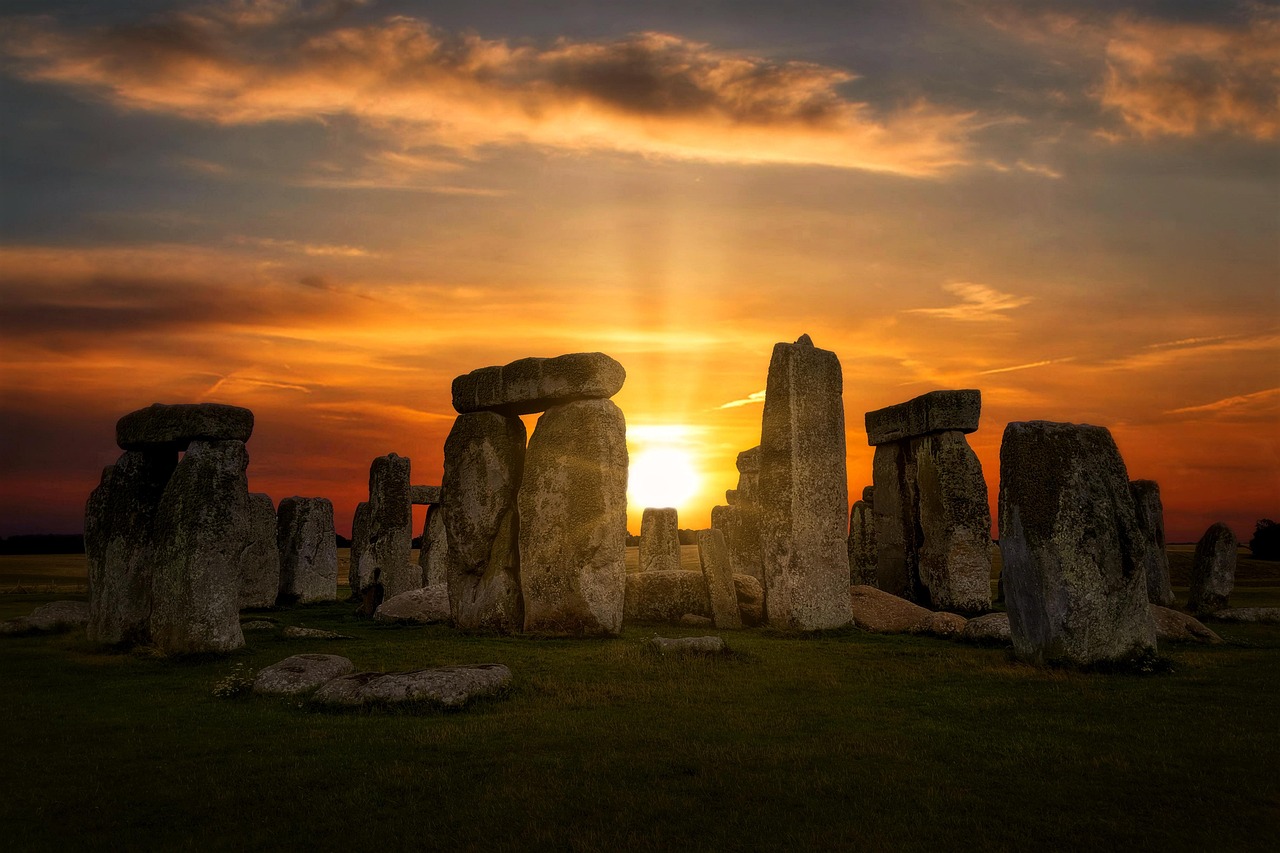
Istanbul – Where Continents Embrace
Straddling Europe and Asia across the Bosphorus Strait, Istanbul is a mesmerizing fusion of empires, faiths, and cultures. Once known as Byzantium and later Constantinople, this metropolis pulses with layered histories visible in its skyline—minarets beside domes, modern towers beside Ottoman palaces. The Hagia Sophia, Topkapi Palace, and the Grand Bazaar are just the beginning; wander through cobblestone alleys in Sultanahmet or sip çay by the Golden Horn for a true taste of its soul.
For families, the city’s museums offer interactive exhibits, while couples can enjoy sunset ferry rides between continents. Solo travelers will find endless photo ops and hidden courtyards brimming with stories.
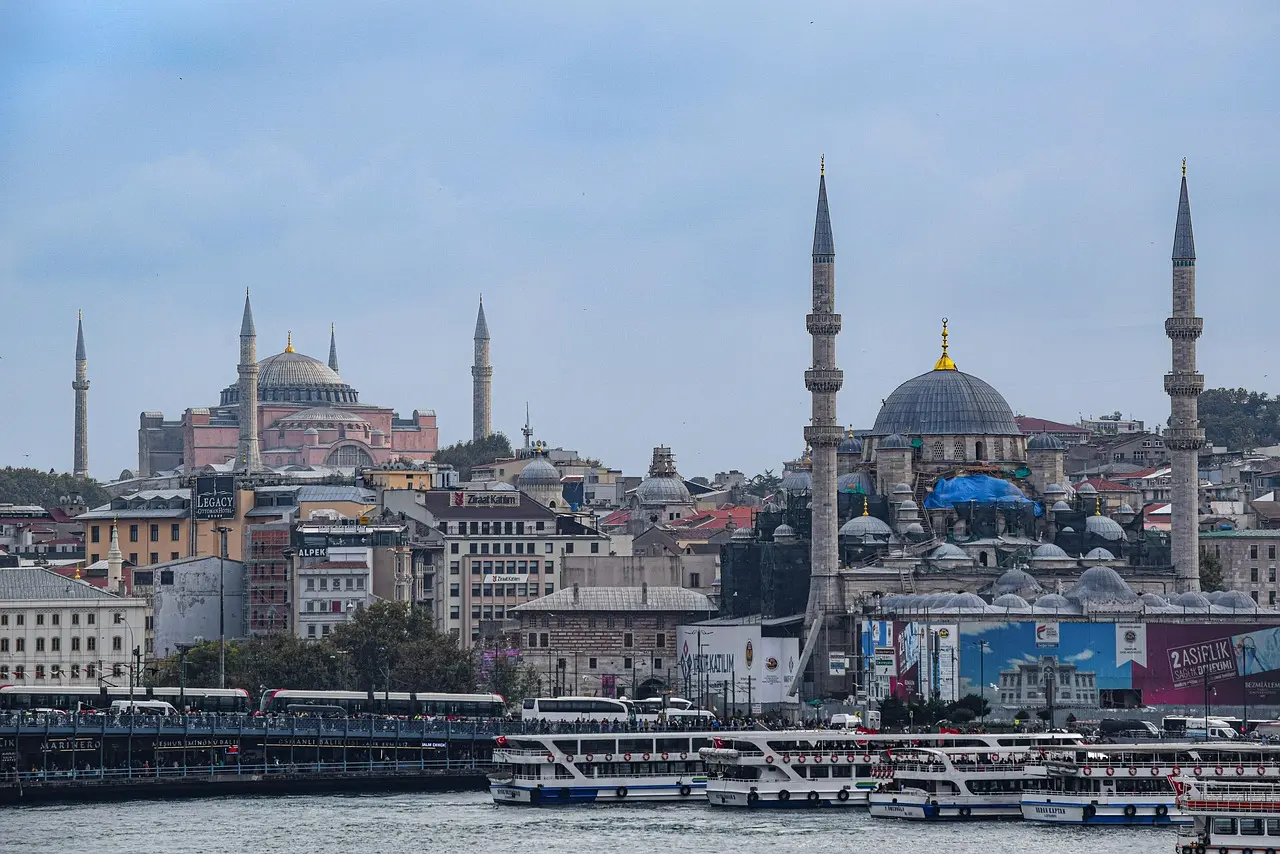
Cappadocia – Land of Fairy Chimneys and Hot Air Balloons
Cappadocia’s surreal landscape—carved by volcanic eruptions and wind—features towering ‘fairy chimneys,’ underground cities, and cave churches adorned with Byzantine frescoes. The Göreme Open-Air Museum is a UNESCO World Heritage site that transports visitors back to early Christian monastic life. At dawn, hundreds of hot air balloons rise silently over valleys like Love Valley and Rose Valley, painting the sky in pastel hues—a sight often called one of the world’s most magical travel experiences.
Best experienced from April to June or September to October when temperatures are mild and skies are clear for balloon flights.
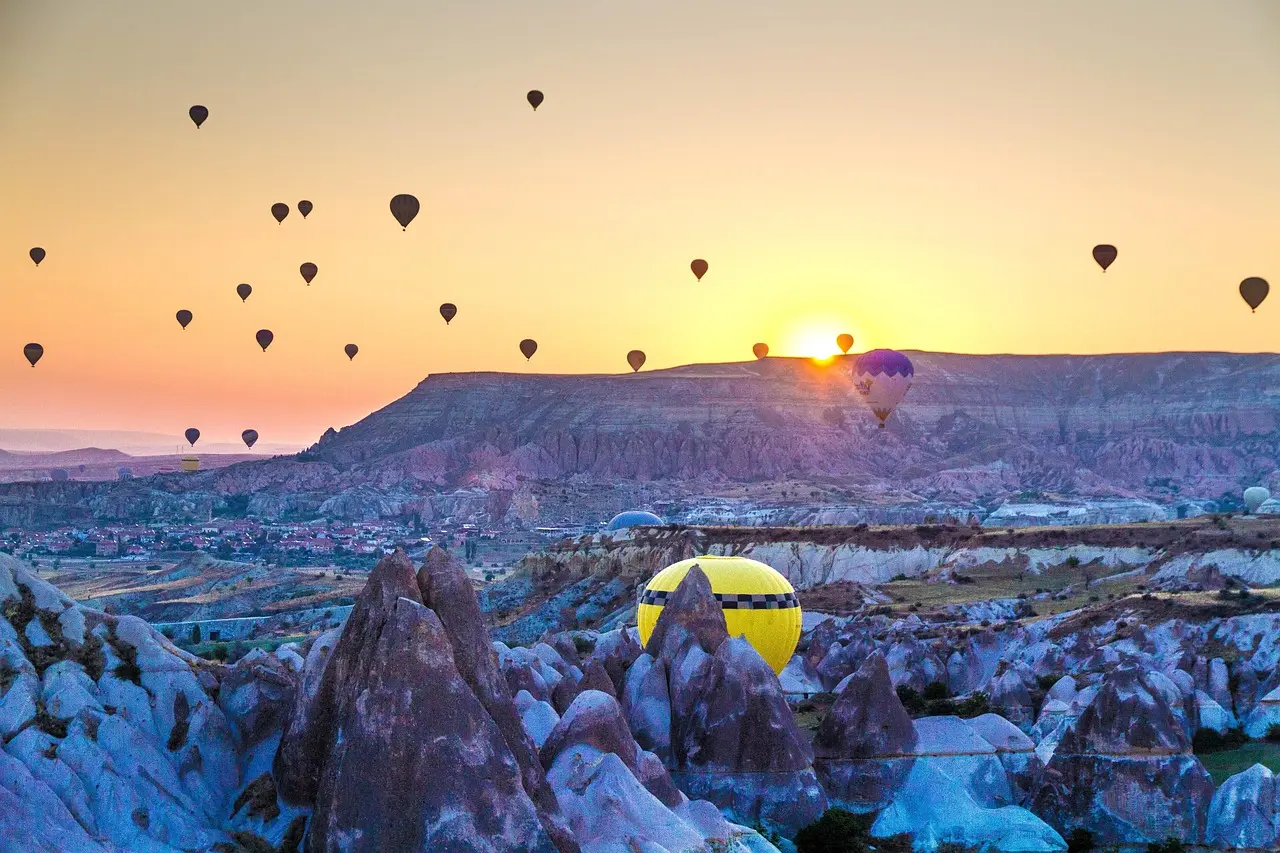
Ephesus – Echoes of Roman Grandeur
Once a thriving port city of the Roman Empire, Ephesus now stands as one of the best-preserved ancient sites in the Mediterranean. Walk the marble-paved Curetes Street, marvel at the grand Library of Celsus, and imagine gladiators battling in the Great Theatre that once seated 25,000 spectators. Nearby, the House of the Virgin Mary offers a serene spiritual retreat nestled in pine-covered hills.
Visit early morning or late afternoon to avoid crowds and summer heat; spring and autumn are ideal for exploring ruins comfortably.
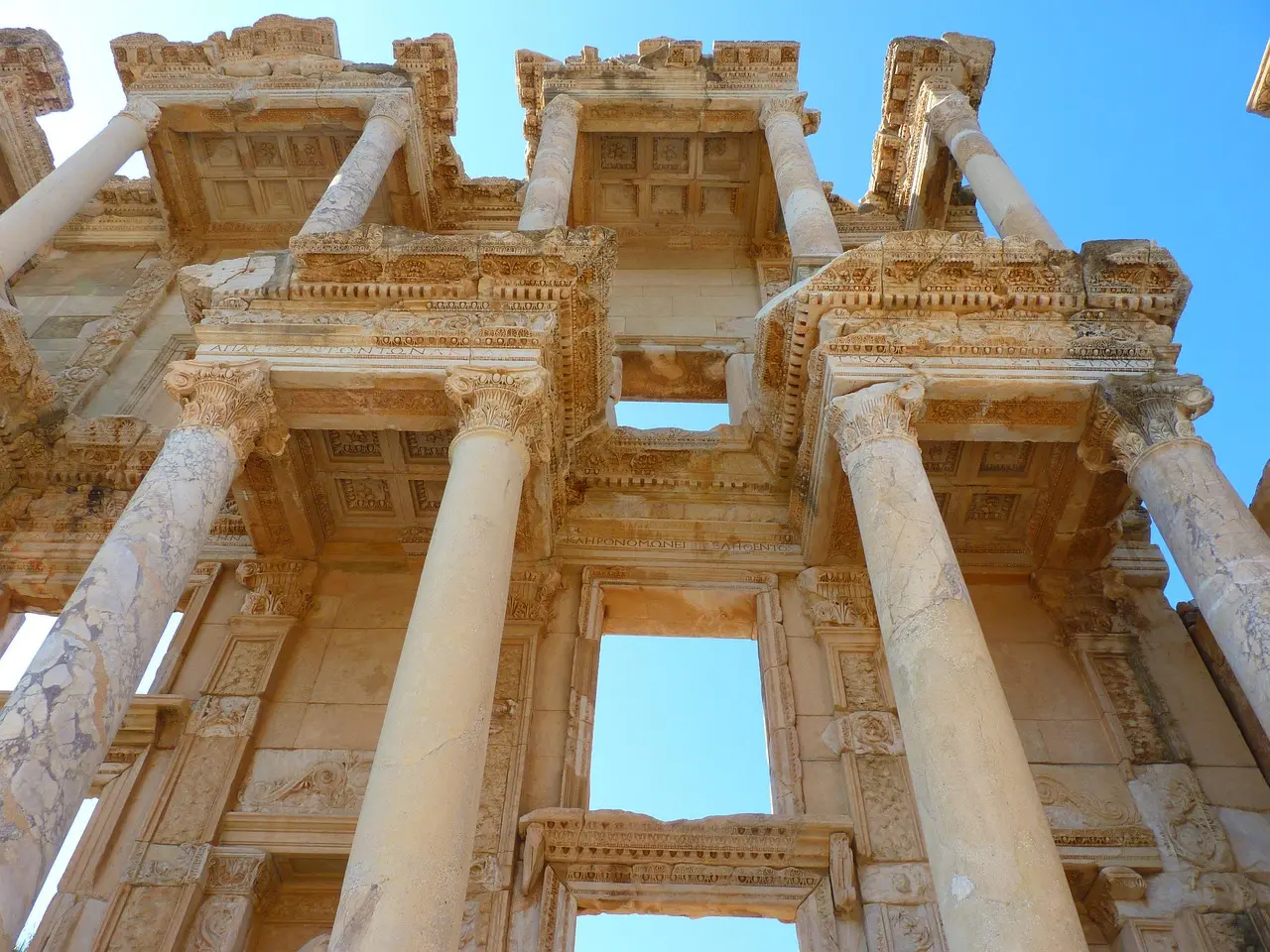
Pamukkale – Cotton Castle of Thermal Waters
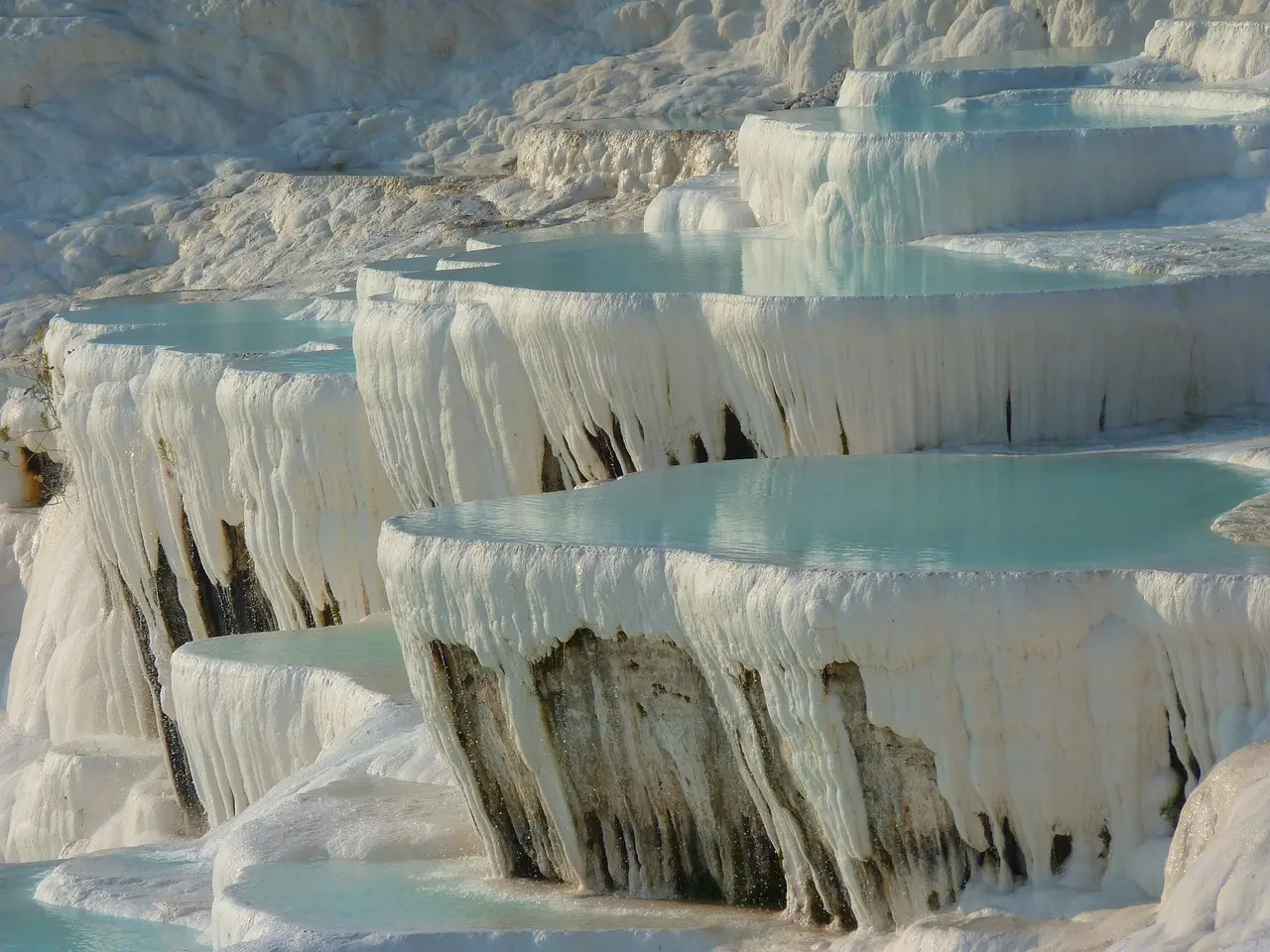
Pamukkale, meaning ‘cotton castle’ in Turkish, is a natural wonder formed by mineral-rich thermal springs cascading down white travertine terraces. These petrified pools shimmer in shades of blue and white, inviting visitors to wade barefoot through warm, shallow waters. Adjacent to this geological marvel lies Hierapolis, an ancient spa city founded in the 2nd century BC, where Roman baths and a well-preserved amphitheater whisper tales of wellness seekers from antiquity.
Wear non-slip footwear and visit during weekdays to avoid peak tourist influx; May and October offer pleasant weather.
Antalya – Gateway to the Turquoise Coast
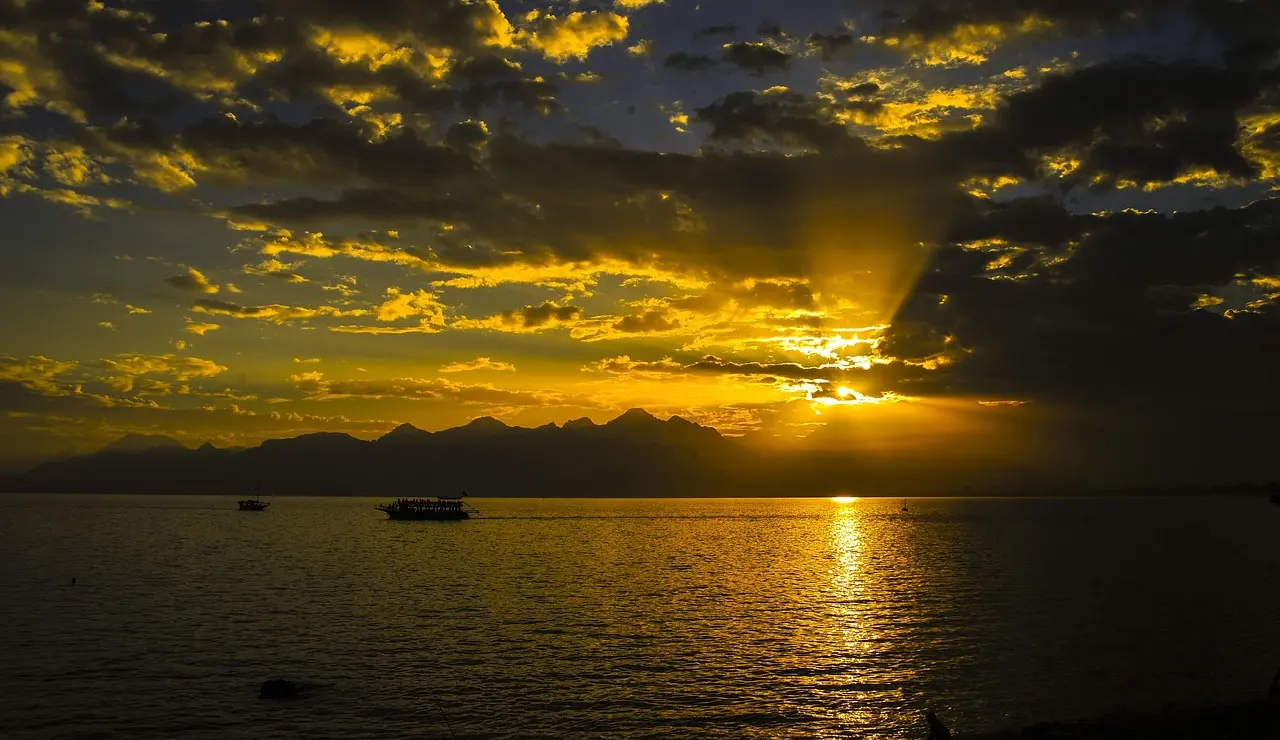
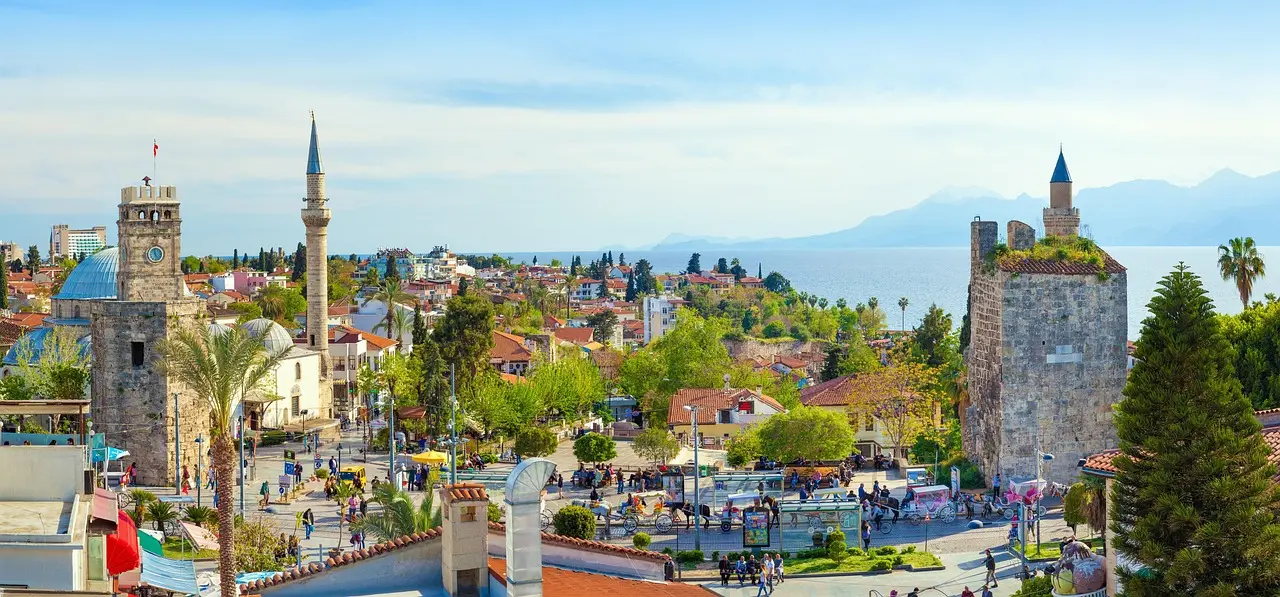
Nestled along the Mediterranean, Antalya blends sun-drenched beaches with historic charm. Its old town, Kaleiçi, features narrow lanes lined with Ottoman-era houses, boutique hotels, and sea-facing cafes. The Roman Hadrian’s Gate and the cliffside Yivli Minare Mosque frame postcard-perfect views. Beyond the city, day trips to Düden Waterfalls or the ancient city of Perge reveal deeper layers of Lycian and Roman heritage.
Ideal for families seeking both relaxation and culture; visit between April and June for fewer crowds and blooming citrus groves.
Bodrum – Azure Dreams on the Aegean
Once the ancient city of Halicarnassus—home to one of the Seven Wonders of the Ancient World—Bodrum today is a stylish coastal haven. Its whitewashed houses, vibrant nightlife, and luxury marinas attract cosmopolitan travelers, yet it retains a laid-back charm. The imposing Bodrum Castle, housing the Museum of Underwater Archaeology, overlooks a bay dotted with traditional gulets. Nearby, secluded coves like Bitez and Gümüşlük offer tranquil escapes.
Peak season runs June to August; for quieter visits with warm seas, consider late May or early September.
Fethiye – Adventure Amid Lycian Ruins
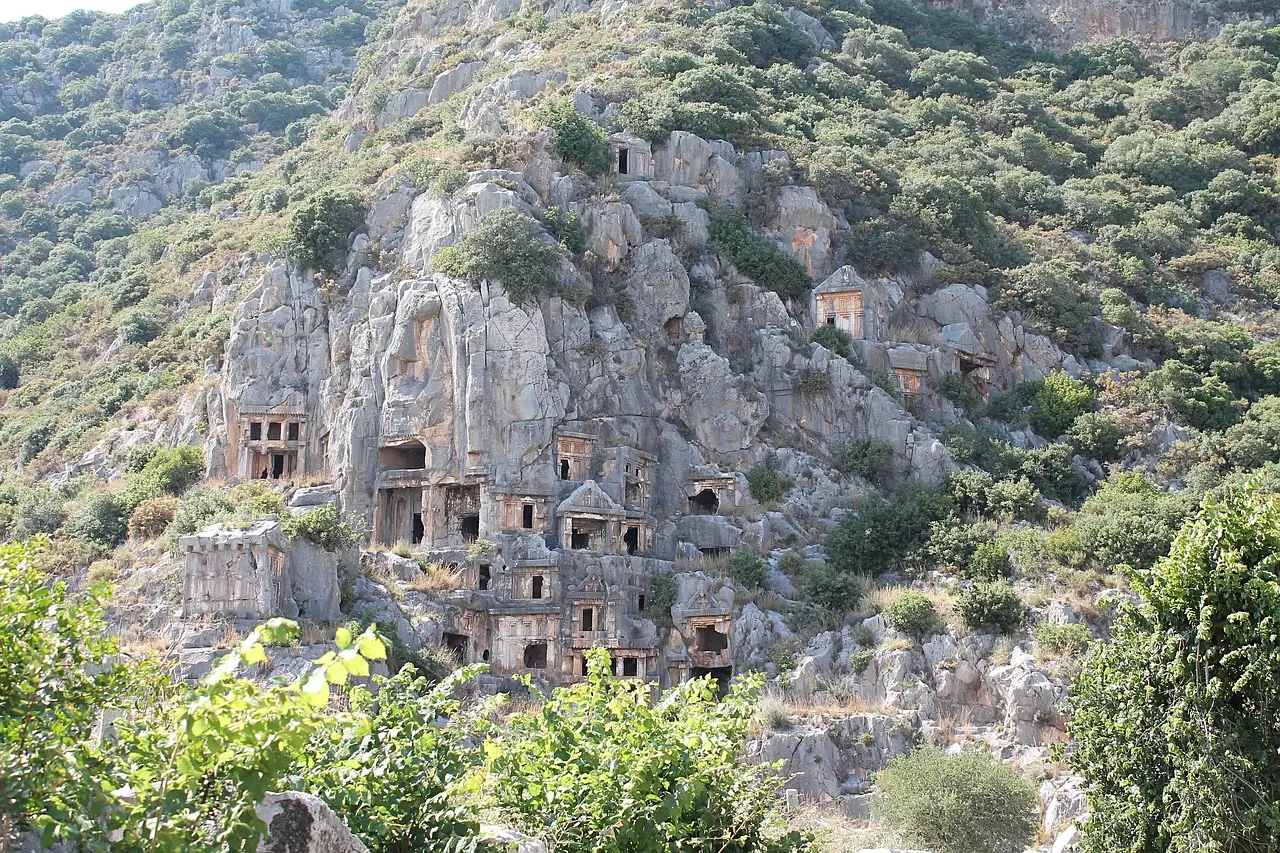
Fethiye is a paradise for outdoor enthusiasts and history lovers alike. Nestled between pine-clad mountains and the cerulean sea, it serves as a launchpad for paragliding from Babadağ Mountain—one of the world’s top spots for the sport. The town also guards remnants of the ancient Lycian civilization, including the rock-cut Tomb of Amyntas and the ghost village of Kayaköy. Don’t miss a day cruise along the ‘Blue Voyage’ to Butterfly Valley or Ölüdeniz’s famous lagoon.
Spring and autumn offer perfect conditions for hiking and water sports without summer’s intense heat.

Göreme – Heart of Cappadocian Mystique
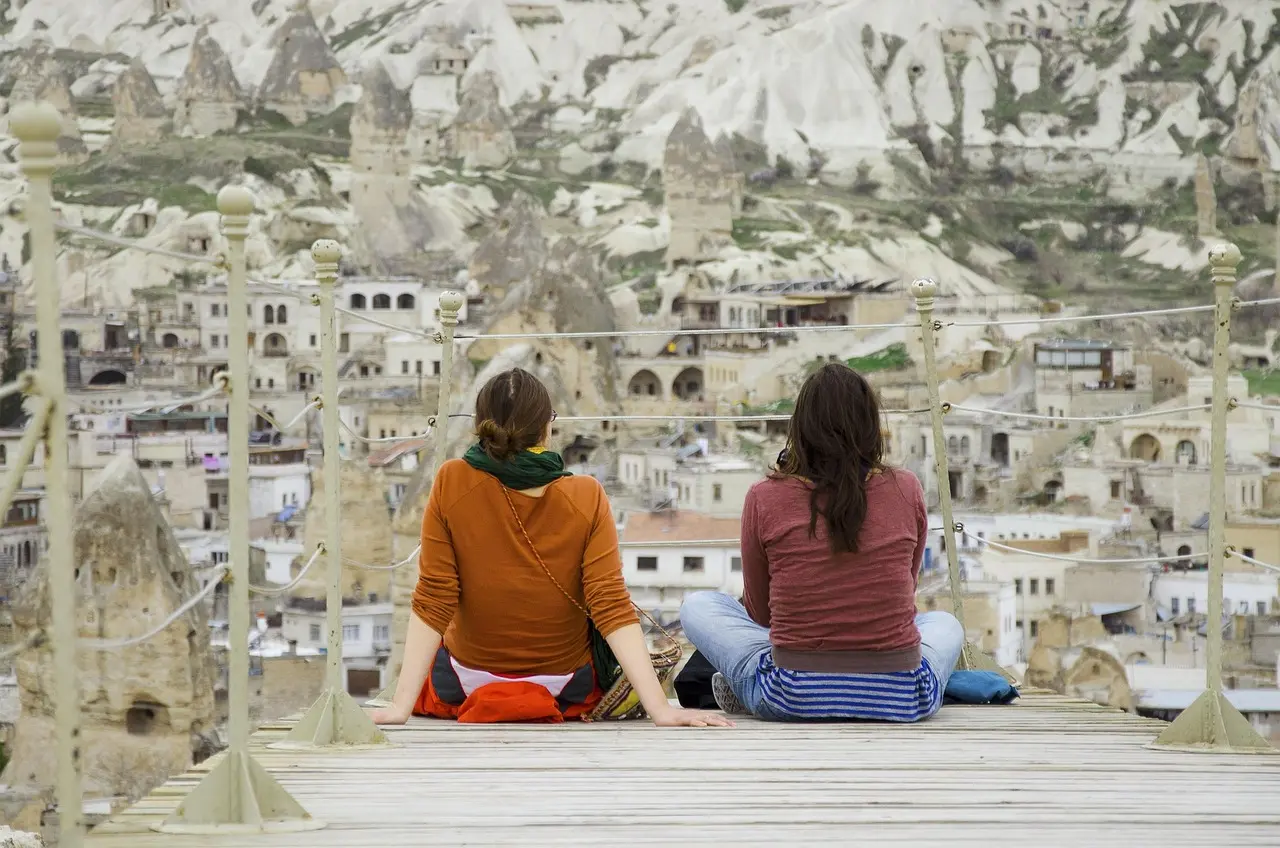
Though often grouped with Cappadocia, Göreme deserves special mention as its cultural nucleus. This small village sits within a valley dotted with cave dwellings, troglodyte churches, and panoramic viewpoints. Staying in a cave hotel here immerses you in centuries-old architecture reimagined with modern comforts. Evening strolls reveal star-filled skies unobscured by city lights—a perfect setting for reflection or romance.
Book accommodations well in advance during high season; shoulder months (April, May, September) balance comfort and availability.
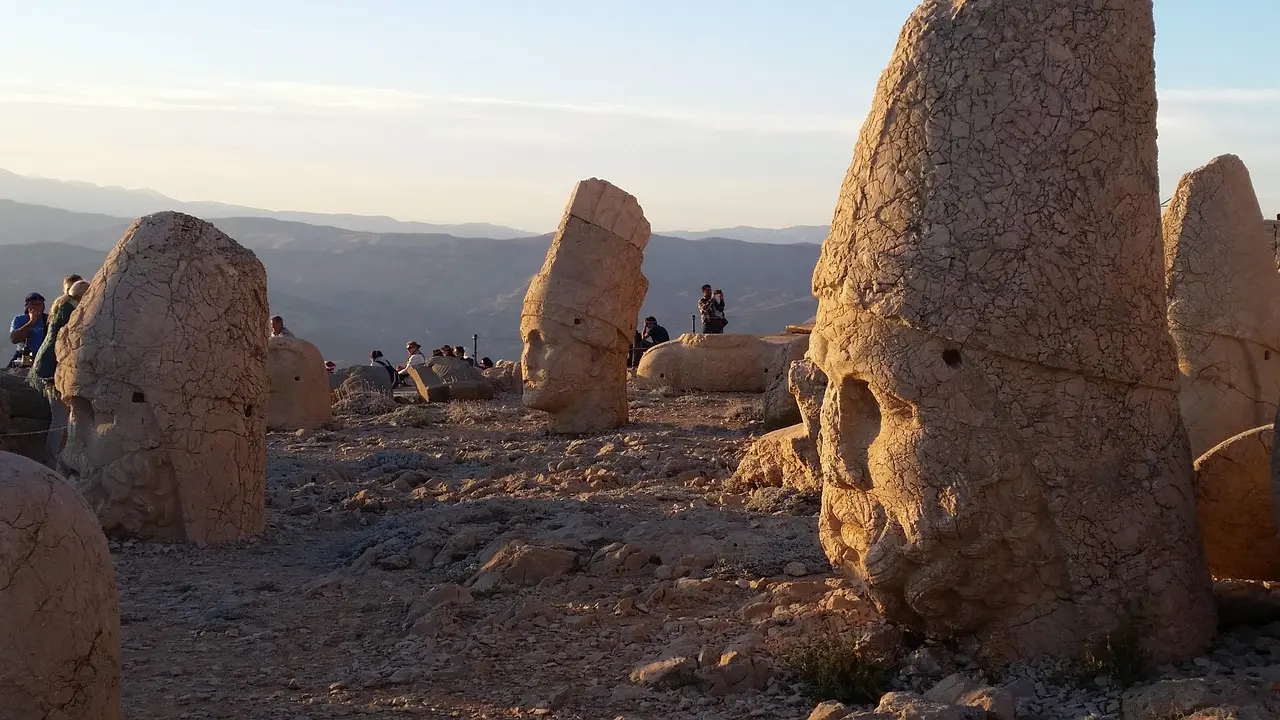
Mount Nemrut – Throne of the Gods at Sunrise
Atop Mount Nemrut in southeastern Turkey, colossal stone heads of gods and kings lie scattered around a 2,134-meter-high sanctuary built by King Antiochus I of Commagene in the 1st century BC. Watching sunrise here is a pilgrimage-like experience—the first rays illuminate these weathered statues in golden light, evoking awe and mystery. The remote location ensures solitude, making it ideal for introspective travelers seeking profound encounters with antiquity.
Access requires a pre-dawn hike; visit between May and October when roads are open and temperatures manageable.
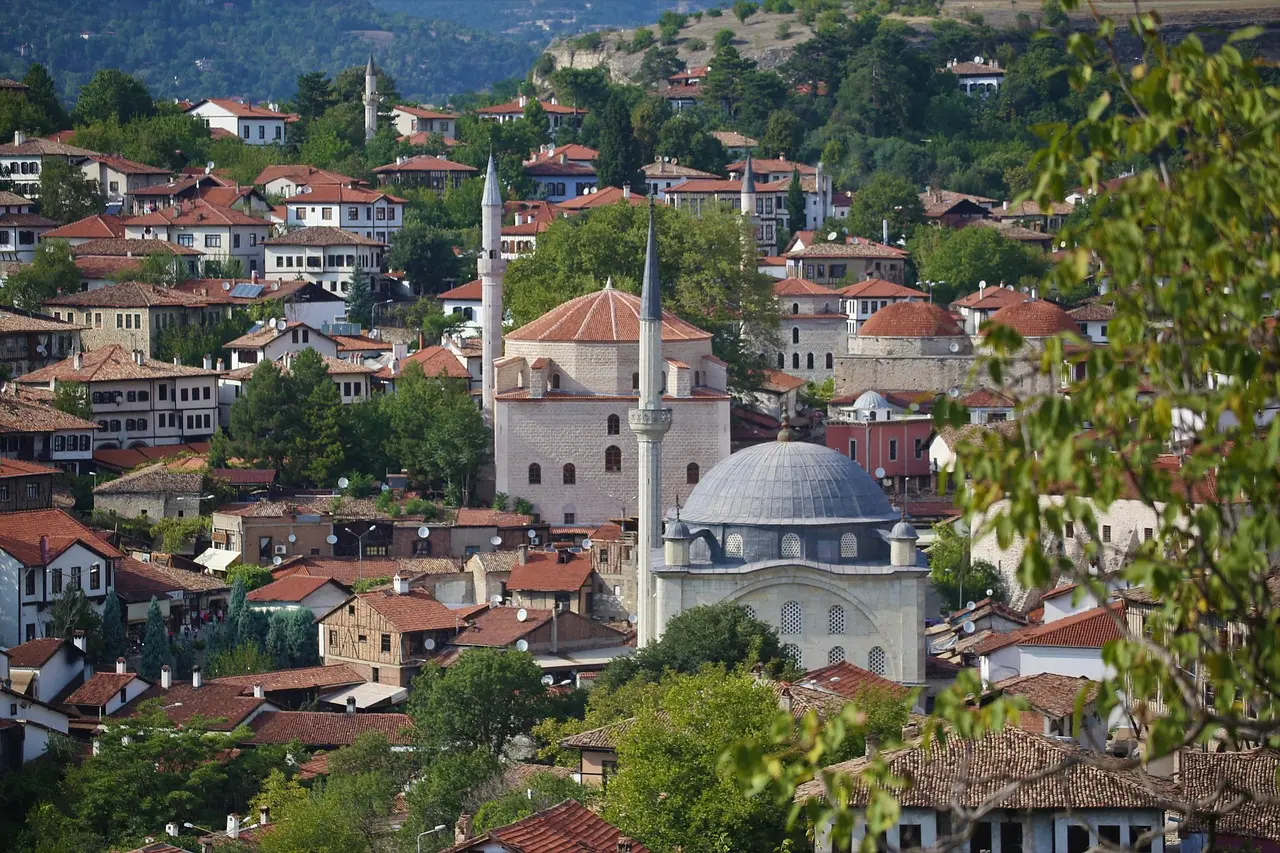
Safranbolu – Ottoman Time Capsule
A UNESCO World Heritage site, Safranbolu is a beautifully preserved Ottoman town famed for its timber-framed houses, cobblestone streets, and saffron cultivation. Wander through the historic Çarşı district, visit the 17th-century Cinci Han caravanserai, or sip saffron tea in a garden courtyard. This tranquil town offers a peaceful contrast to Turkey’s bustling cities and is especially enchanting in autumn when leaves turn amber.
Ideal for slow travel; combine with a visit to nearby Karabük for nature hikes in Yenice Forest.
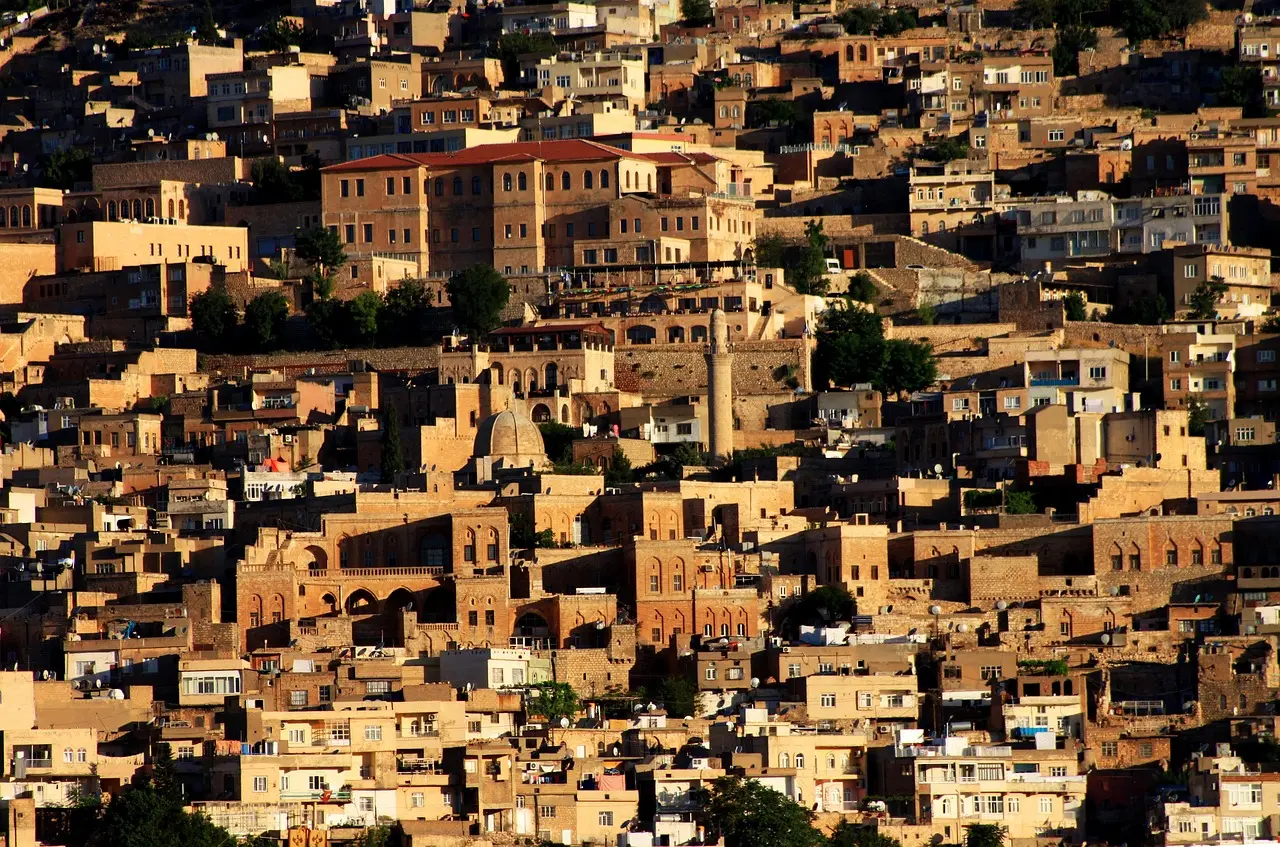
Mardin – City of Stone and Sky
Perched on a limestone ridge overlooking Mesopotamia, Mardin’s honey-colored stone buildings cascade down the hillside like a mirage. This crossroads of Syriac, Arab, Kurdish, and Turkish cultures boasts ancient monasteries like Deyrulzafaran, intricate Islamic madrasas, and rooftop cafes offering panoramic views into Syria. The call to prayer echoing through narrow alleys adds to its timeless atmosphere.
Visit in spring when jasmine blooms scent the air; modest dress is appreciated in this conservative region.
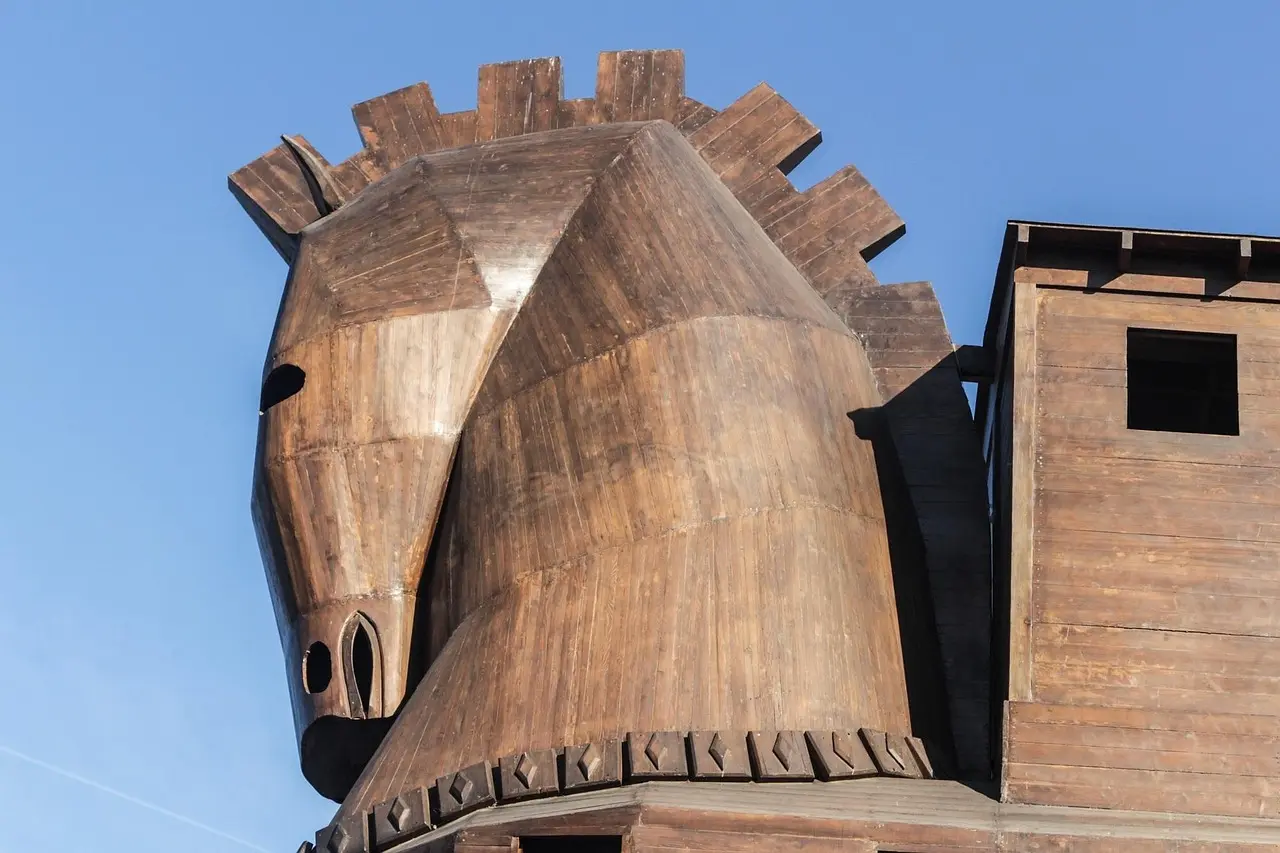
Çanakkale & Troy – Legend Comes Alive
Near the Dardanelles Strait, Çanakkale serves as the gateway to the legendary city of Troy. Though much of the site is archaeological remains, the reconstructed Trojan Horse sparks imagination—especially for children. The nearby Gallipoli Peninsula adds poignant historical depth with WWI memorials honoring ANZAC and Ottoman soldiers. Together, they form a powerful narrative of myth and memory.
Combine with a ferry ride across the Dardanelles; April (ANZAC Day) draws large crowds, so plan accordingly.
Konya – Spiritual Heart of Sufism
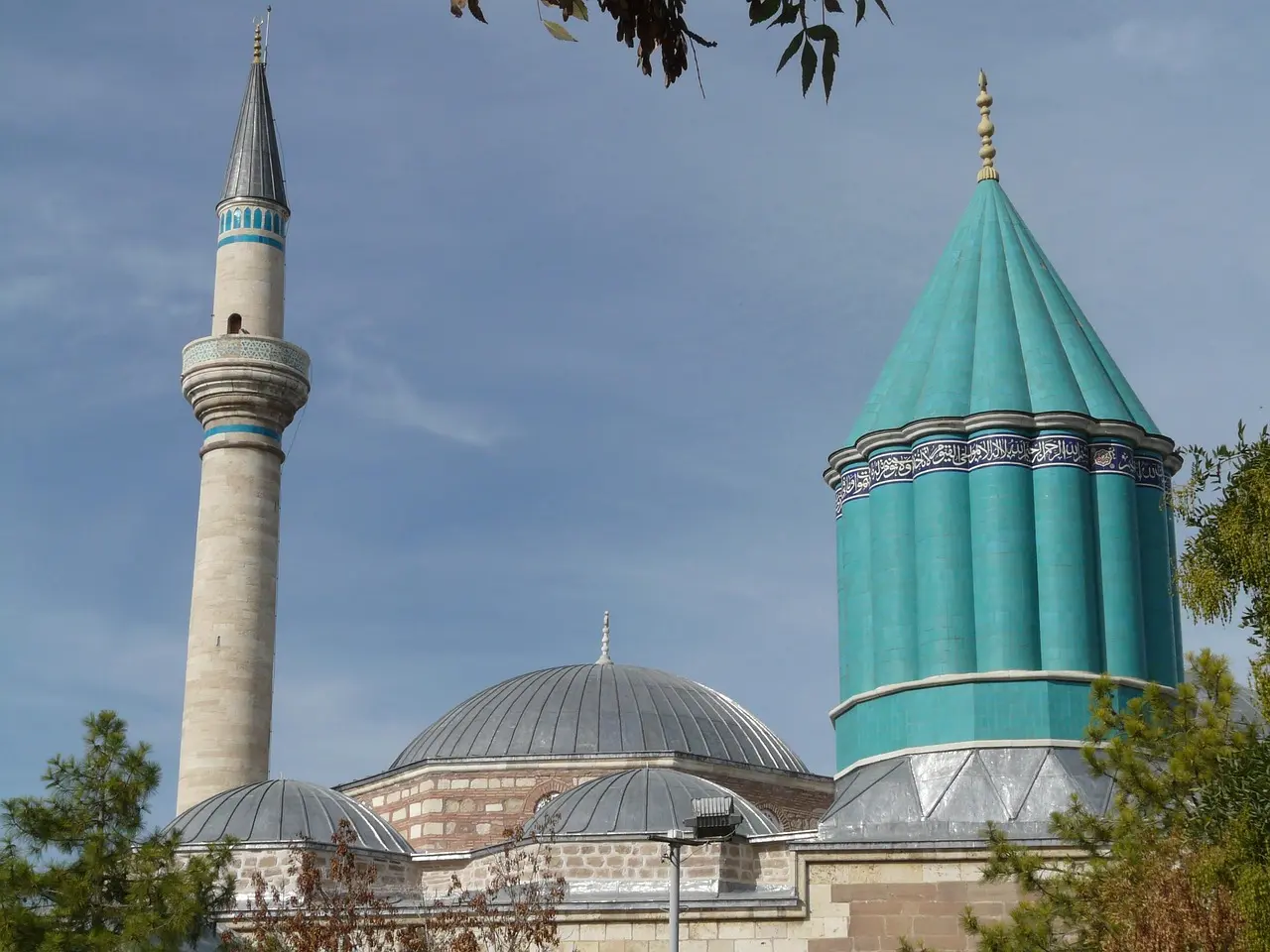
Konya is synonymous with Mevlana Jalaluddin Rumi, the 13th-century poet and founder of the Whirling Dervishes. His mausoleum, now the Mevlana Museum, is a place of quiet reverence adorned with turquoise tiles and Persian calligraphy. Witnessing a sema ceremony—where dervishes spin in meditative trance—is a transcendent experience. The city’s conservative demeanor reflects deep-rooted spiritual traditions that welcome respectful visitors.
Attend the annual Seb-i Arus festival in December commemorating Rumi’s union with the divine; modest attire required.
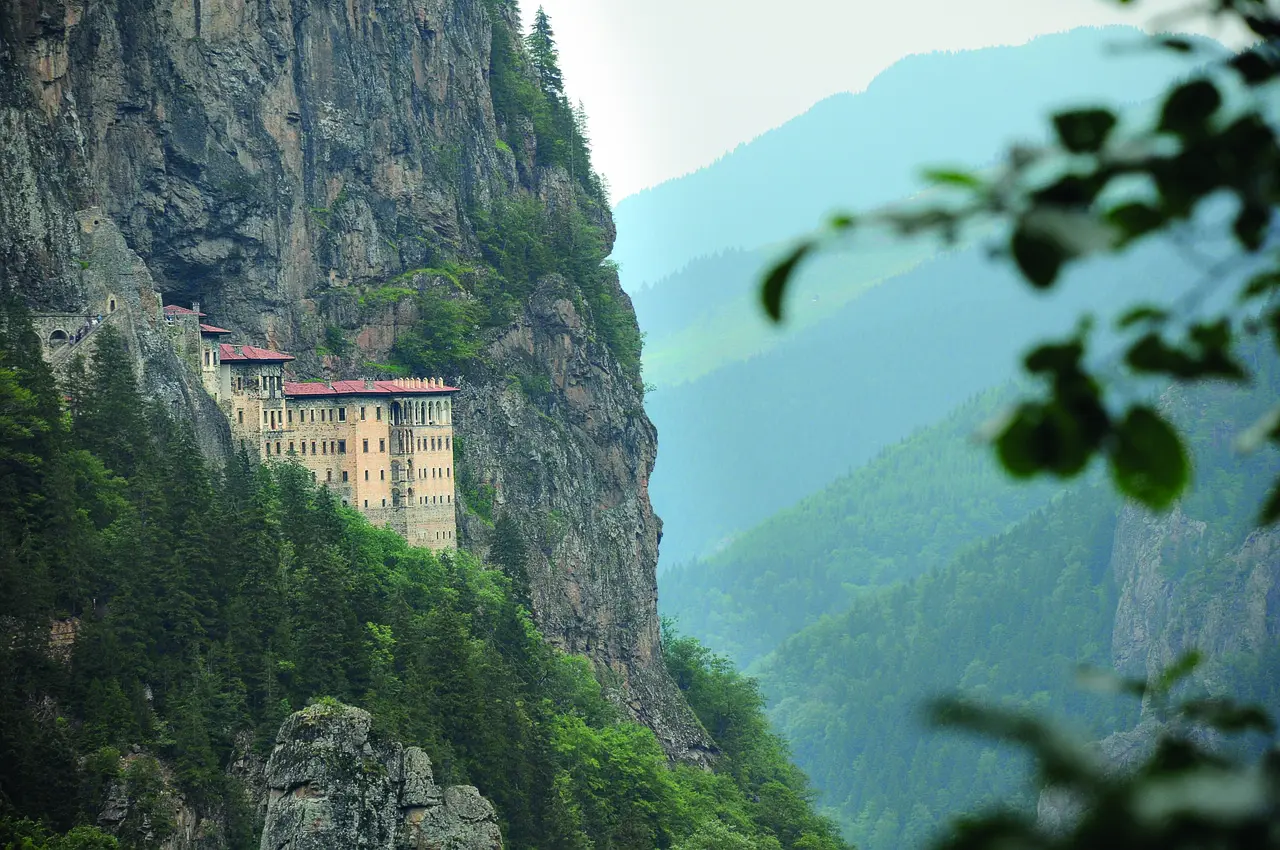
Sumela Monastery – Sanctuary in the Clouds
Carved into a sheer cliff face in the Pontic Mountains of northeastern Turkey, Sumela Monastery appears almost mythical. Founded in the 4th century, this Greek Orthodox monastery clings to the rock at 1,200 meters above sea level, surrounded by dense forests and mist-shrouded peaks. Frescoes inside depict biblical scenes, though many are faded by time and weather. The hike up—or cable car ride—rewards with breathtaking views of Altındere National Park.
Accessible only April–October due to snow; wear sturdy shoes and bring layers for changing mountain weather.
Patara – Beach and Ruins in Harmony
Patara boasts one of Turkey’s longest and most pristine sandy beaches—18 kilometers of golden shore backed by dunes and protected as part of a national park. But it’s also home to significant Lycian ruins: a grand Roman theater, a colonnaded street, and the birthplace of Saint Nicholas (yes, the original Santa Claus!). Sea turtles nest here annually, adding ecological significance to its historical allure.
Visit outside July–August for quieter beaches; May–June is nesting season for loggerhead turtles—observe from a distance.
Turkey is not merely a destination—it’s a living tapestry woven from millennia of civilizations, breathtaking landscapes, and heartfelt hospitality. Whether you seek romance among hot air balloons, family adventures along ancient coasts, or solitary reflection atop sacred mountains, these 15 places offer portals into worlds both real and legendary. Pack your curiosity, respect local customs, and let Turkey reveal its many souls, one unforgettable moment at a time.